Easy jungle, 20 long
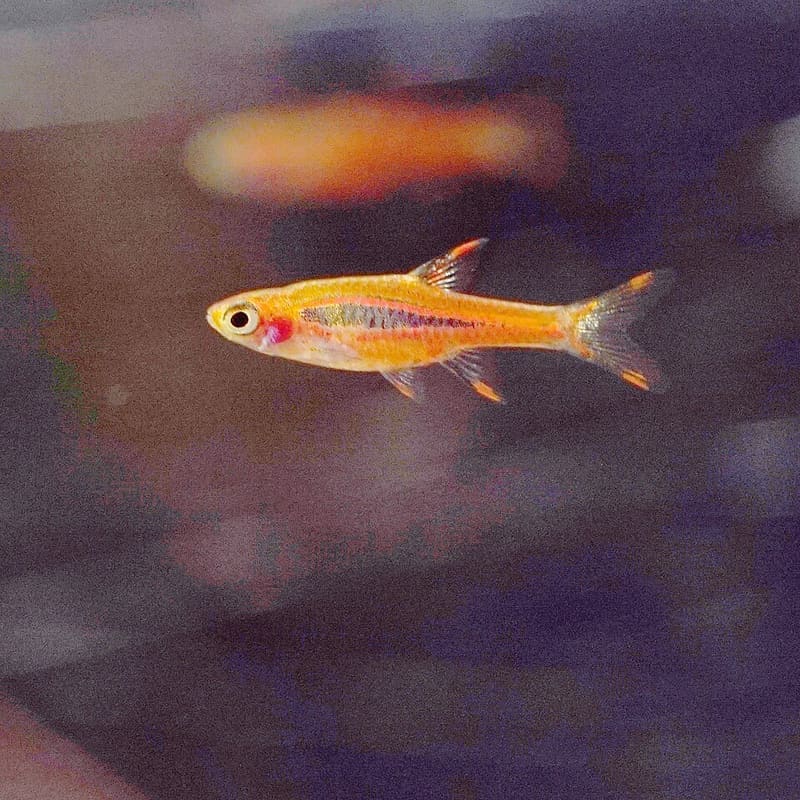
Low light, no CO₂. Driftwood with ferns and anubias, crypts and easy stem plants, a school of chili rasboras.
Planted aquarium planner
Lay out stone, wood and plants in a tank drawn to scale. TankHaven checks that your fish, shrimp and plants can live together, then works out what to buy and what order to do it in. Freshwater planted tanks and saltwater reefs.
Low light, no CO₂. Driftwood with ferns and anubias, crypts and easy stem plants, a school of chili rasboras.
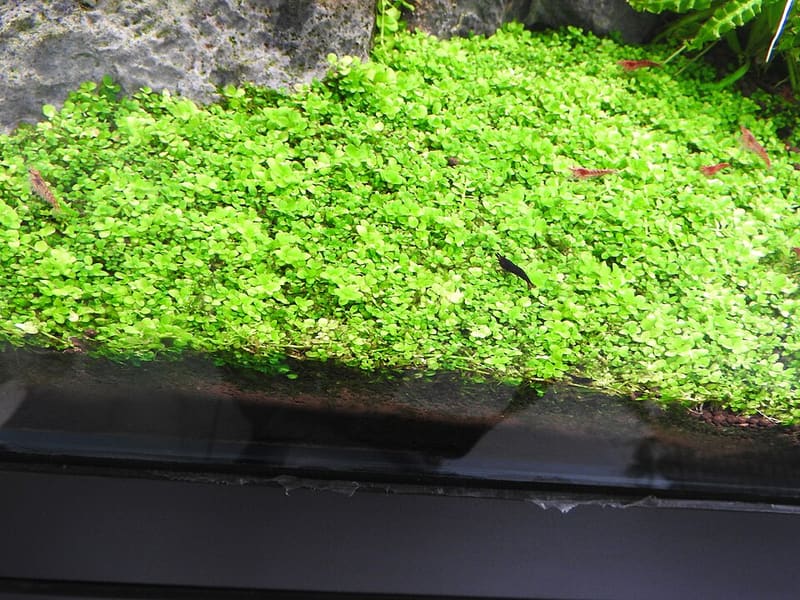
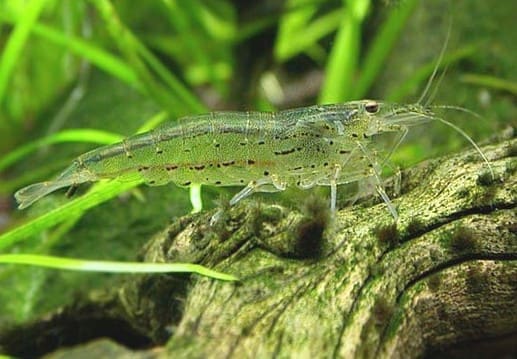
Moss-covered wood and stone with cherry shrimp and a snail cleanup crew. Very forgiving.
High-tech stone layout with a hairgrass carpet and a single school of fish.
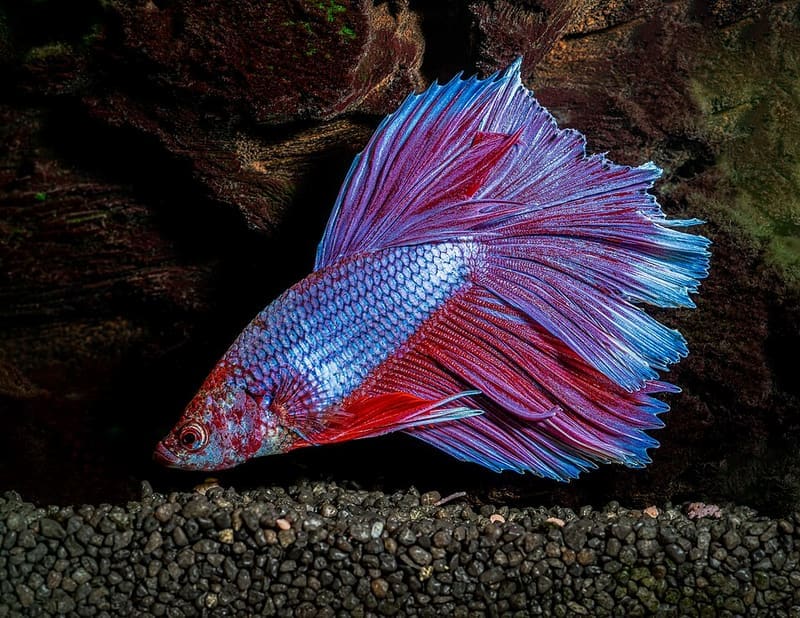
One betta in a heated, filtered 5 gallon with slow-growing plants that never need CO₂. Small, quiet and very easy.
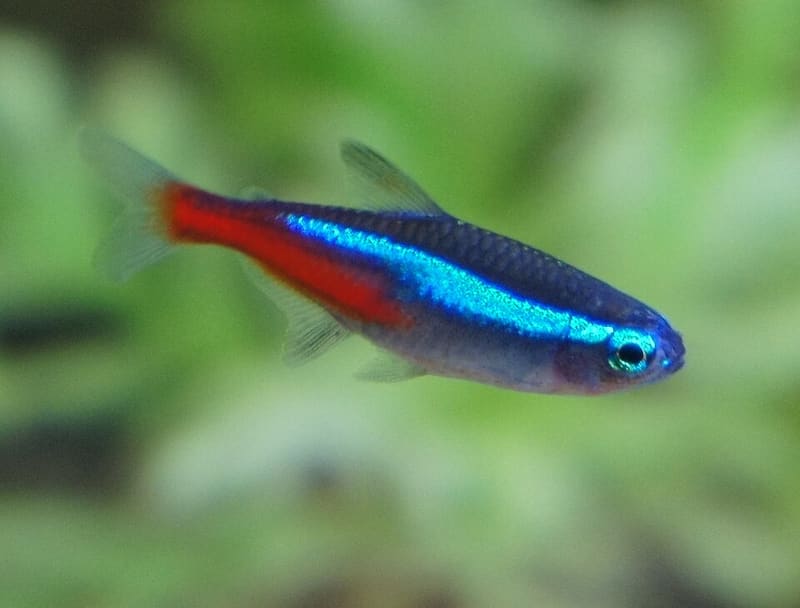
Tangled wood, broad swords and floating cover over a school of cardinal tetras and a group of corydoras. Tea-stained and calm.
Terraced rows of red and green stem plants in the Dutch style, with harlequin rasboras and a clean-up crew. High-tech, with CO₂.
A long tank with room to swim: boesemani rainbowfish and congo tetras over swords, crypts and tall background stems.
Six feet of river-bank planting: onion plants and temple plant at the back, swords in the middle, and schools of fish to fill it.
A pair of clownfish over easy soft corals and zoanthids, with a watchman goby and a cleaner shrimp. The classic first reef.
Leathers, mushrooms and zoanthids on open rockwork: forgiving corals with a peaceful community of small reef fish.
No corals, so no reef lighting or dosing. Characterful fish that would eat a clean-up crew, so the rock does the cleaning.
Large-polyp corals and zoanthids on open rockwork, with a tomini tang, clownfish and a peaceful community. Mixed-reef lighting.
Six feet of rock caves for a snowflake eel, a harlequin tuskfish and a purple tang. Bold fish that would eat a reef.
What the nitrogen cycle is, how to start one before you buy fish, and what your test kit should show each week.
6 min read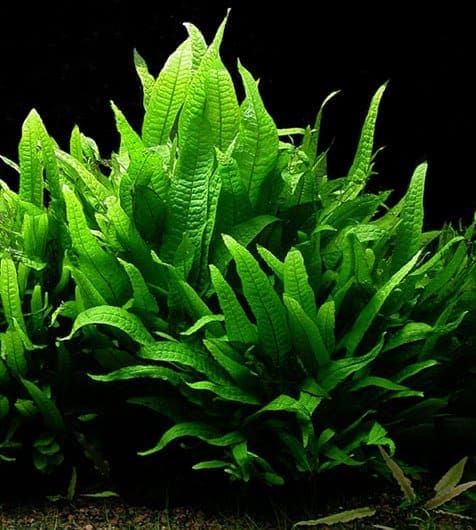
Plants that grow in a plain tank with a basic light, no CO₂ and no fertiliser routine — and the ones that will only disappoint you.
5 min read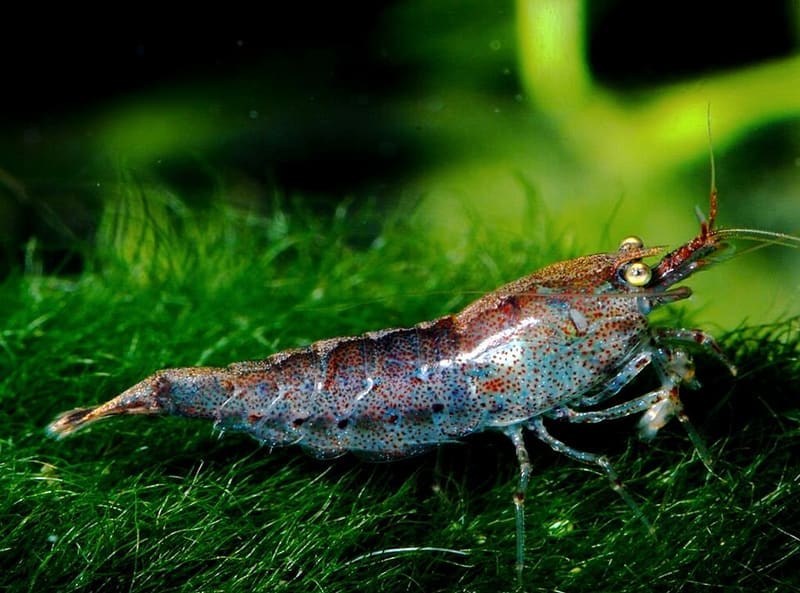
Which fish are safe with cherry shrimp, which will eat the babies, and how to keep a colony going in a community tank.
4 min readType in your tank's size and substrate slope. Plants are drawn at their real heights, so you can see what will reach the surface.
Shared temperature and pH, minimum tank size, school sizes, whether your shrimp will get eaten, and how full the tank is.
Low-tech, mid or high-tech shopping lists, priced for the size of tank you picked.
The order to do things in, and a water test log that charts your tank through its cycle.