The best plants for a low-tech tank
Plants that grow in a plain tank with a basic light, no CO₂ and no fertiliser routine — and the ones that will only disappoint you.
"Low-tech" means no pressurised CO₂, a modest light, and maybe a few root tabs. Plenty of plants are happy in that tank. The trick is picking the ones that grow slowly and steadily rather than the ones that need more light than you're giving them.
Start with these
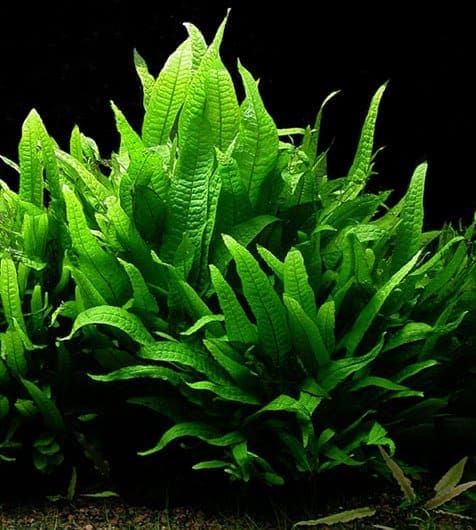
- Java fern and
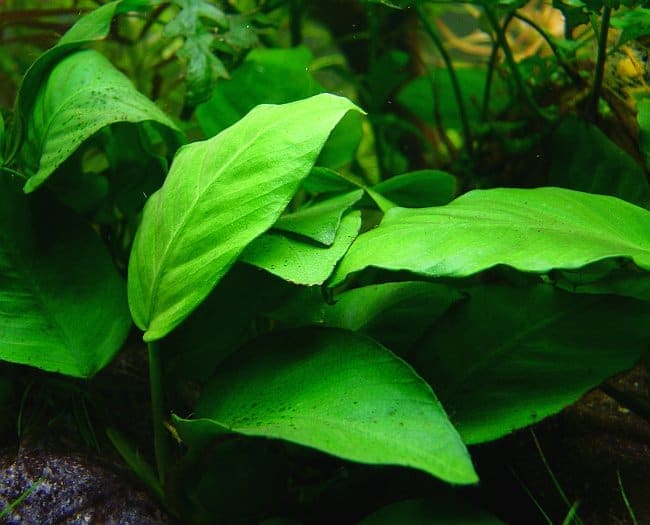 anubias — tie or glue them to wood or rock, never bury the rhizome. Both grow in low light and shrug off most mistakes.
 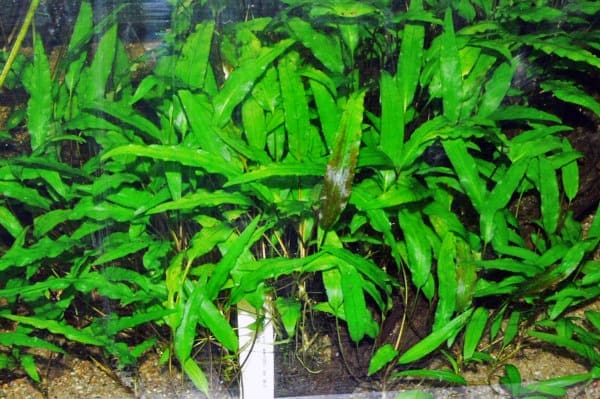 Cryptocoryne wendtii — the classic midground plant. It may melt back after planting, then regrow from the roots. Don't pull it out when that happens.
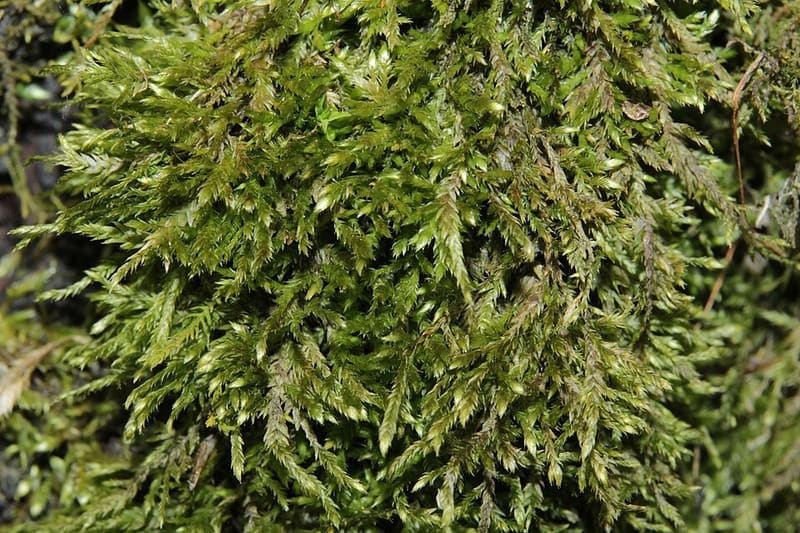 Java moss and
 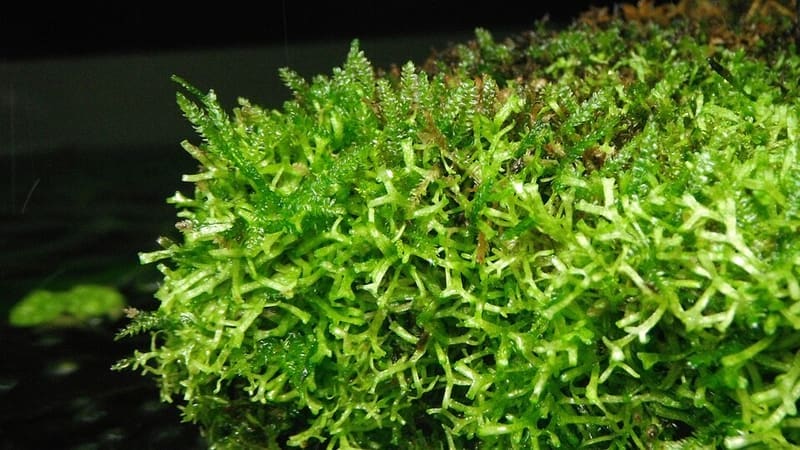 Christmas moss — shrimp love them, and they'll grow on anything.
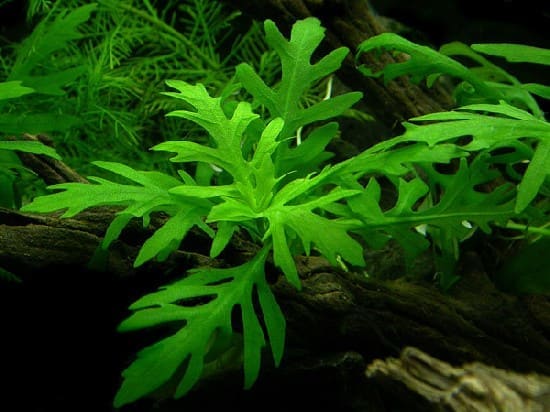 Water wisteria,
 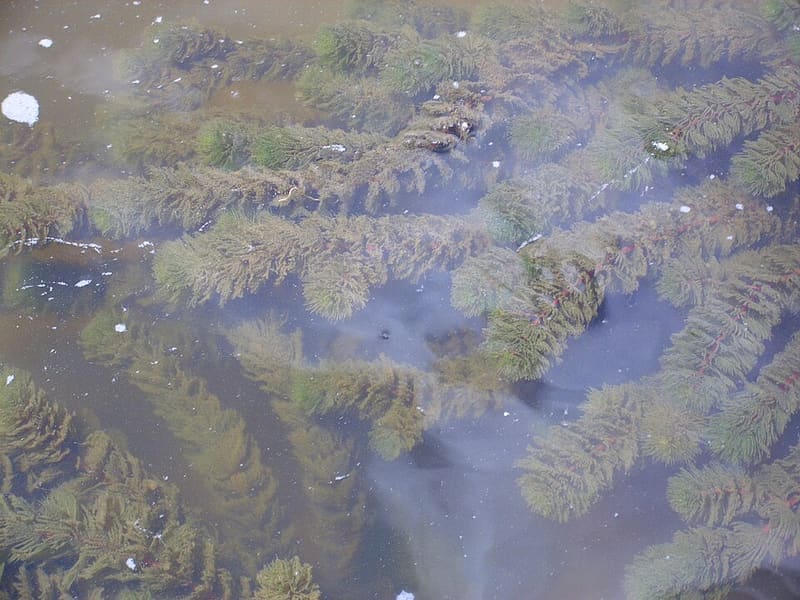 hornwort and
 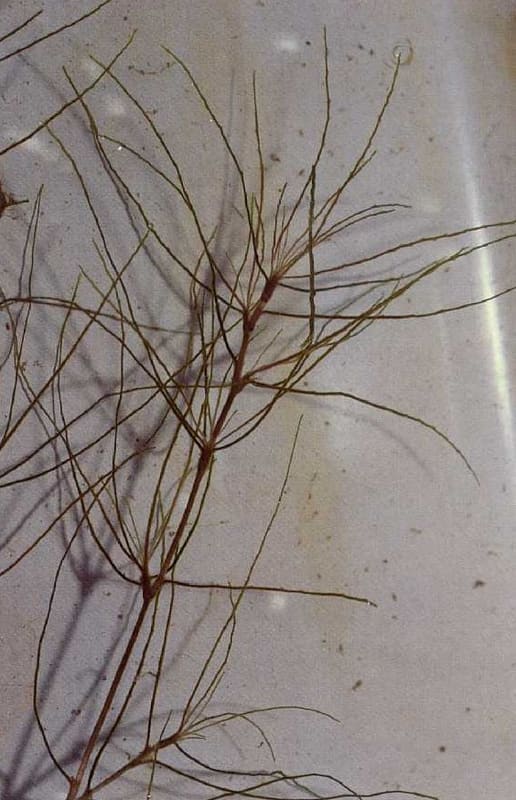 guppy grass — fast growers that soak up nutrients and compete with algae. Perfect while a tank settles in.
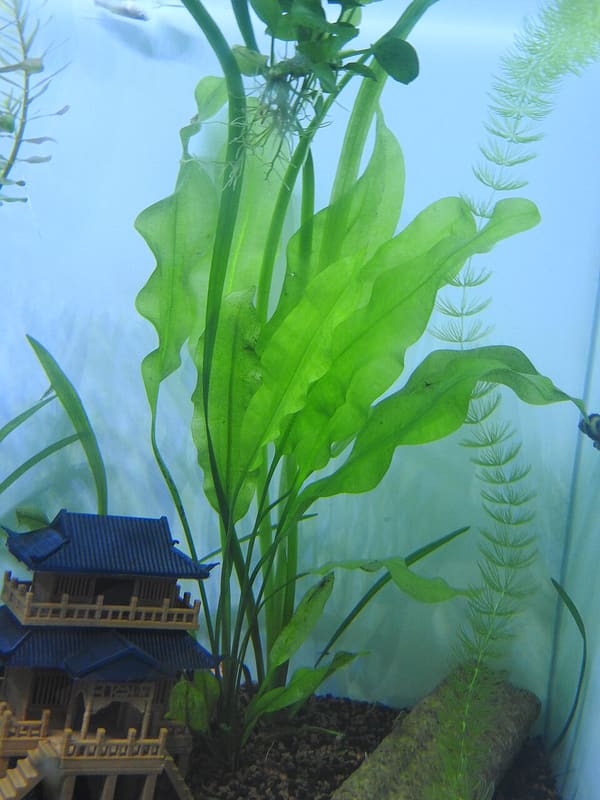 Amazon sword and
 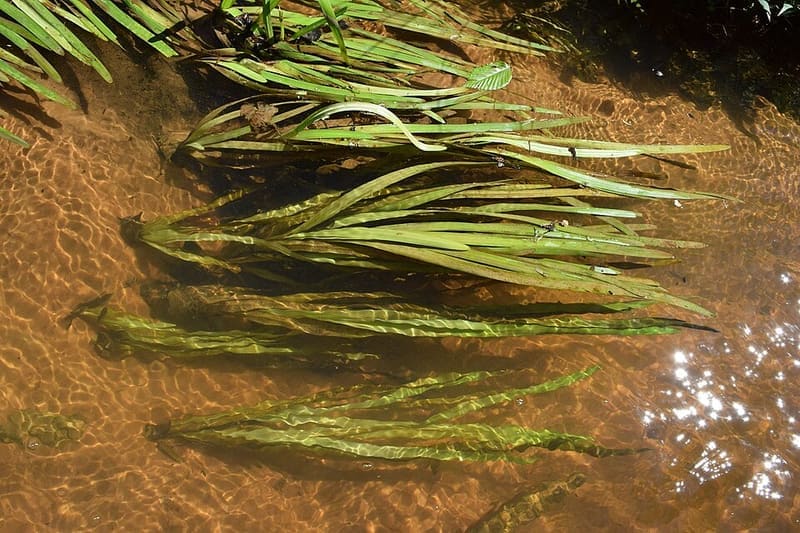 jungle val — background plants for a taller tank. Both are heavy root feeders; give them root tabs.
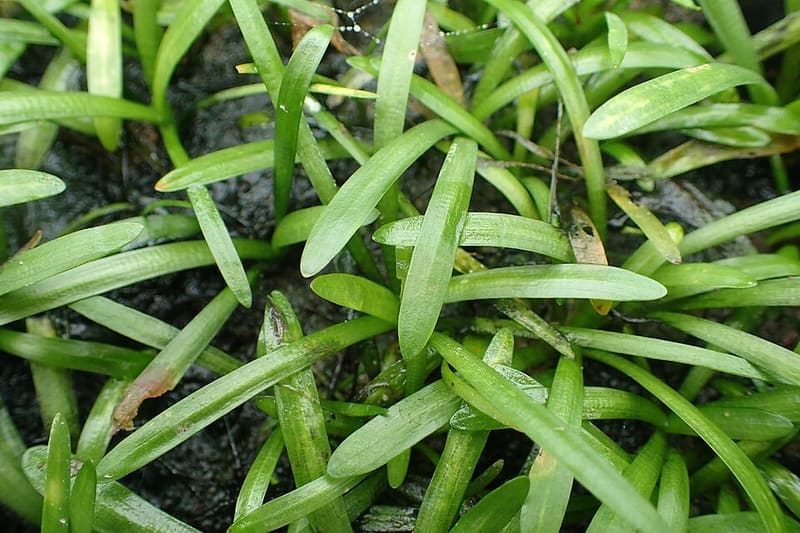 Dwarf sagittaria — the most forgiving carpet-ish plant. It spreads by runners and doesn't need CO₂.
Plants that will frustrate you
Carpeting plants sold as "easy" in shops — 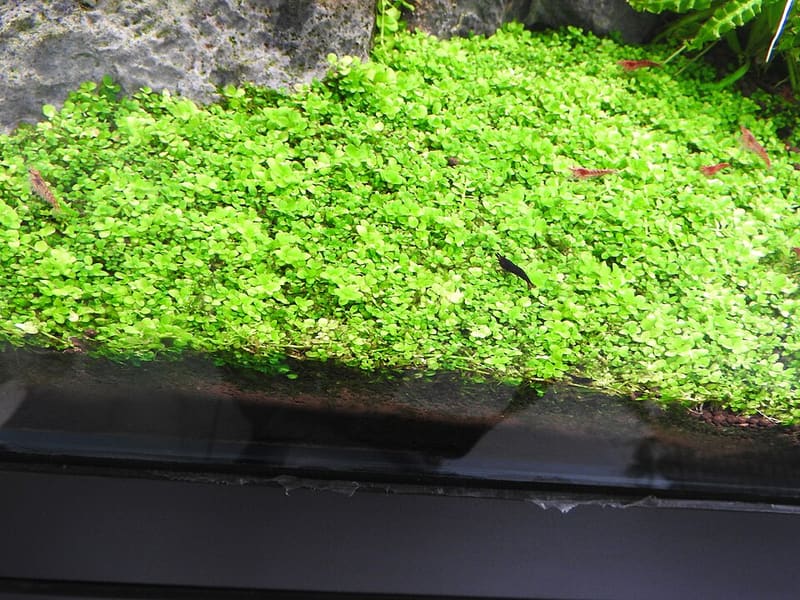 Monte Carlo and
 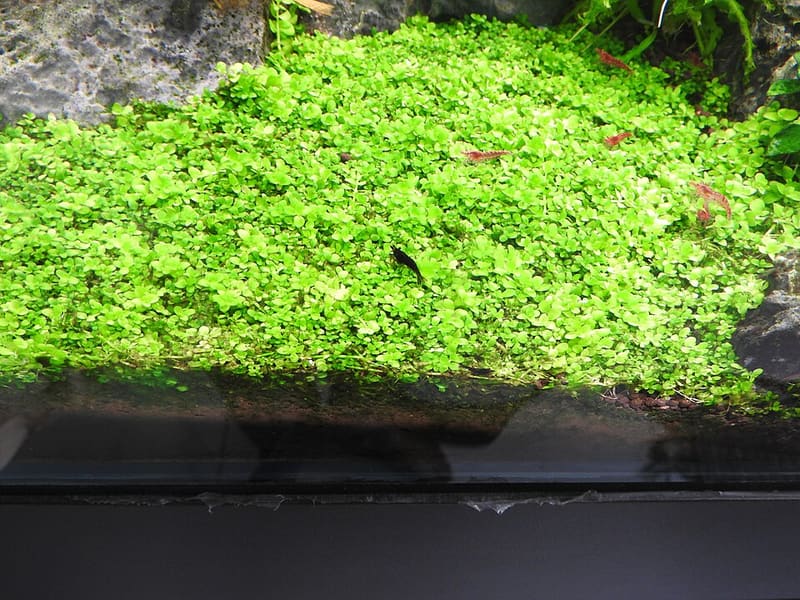 HC Cuba — really want strong light and CO₂. Without both, they grow leggy, trap detritus and rot from underneath. Red stem plants like
 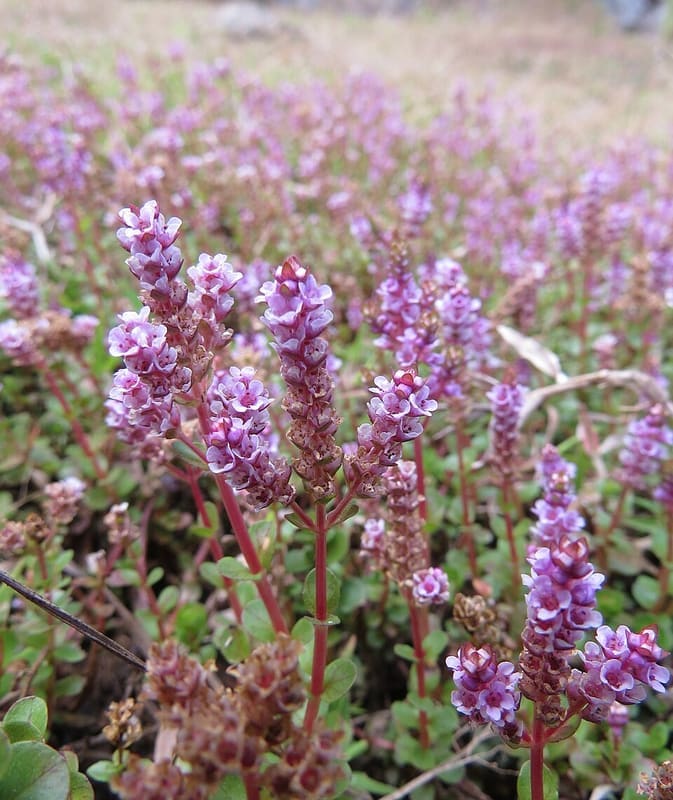 rotala will grow low-tech but stay green rather than red, which is usually not what people were after.
What low-tech tanks actually need
- Less light than you think. Six to seven hours a day is plenty. More light with no CO₂ to match is an algae recipe.
- Root tabs for crypts, swords and vals, every three to four months.
- Patience. A low-tech tank takes a few months to look full. That's the trade for not dosing anything daily.
- Floating plants like
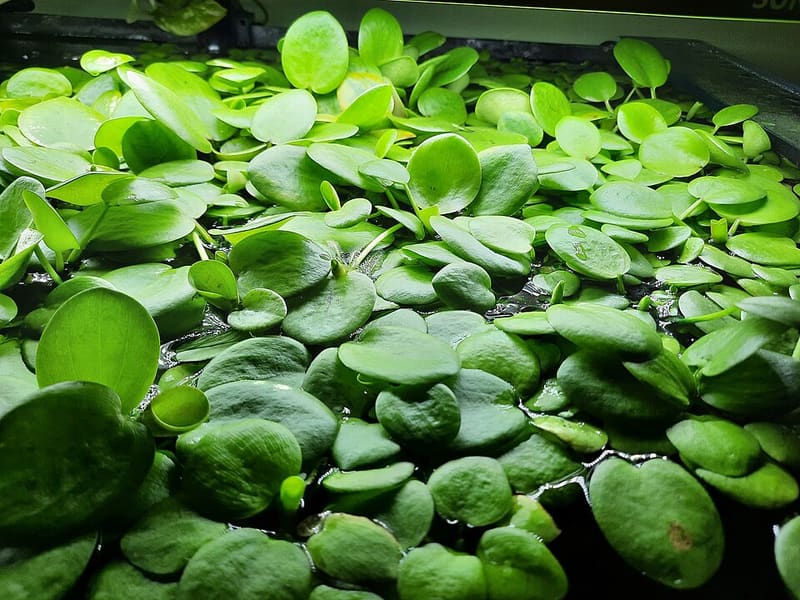 frogbit or
 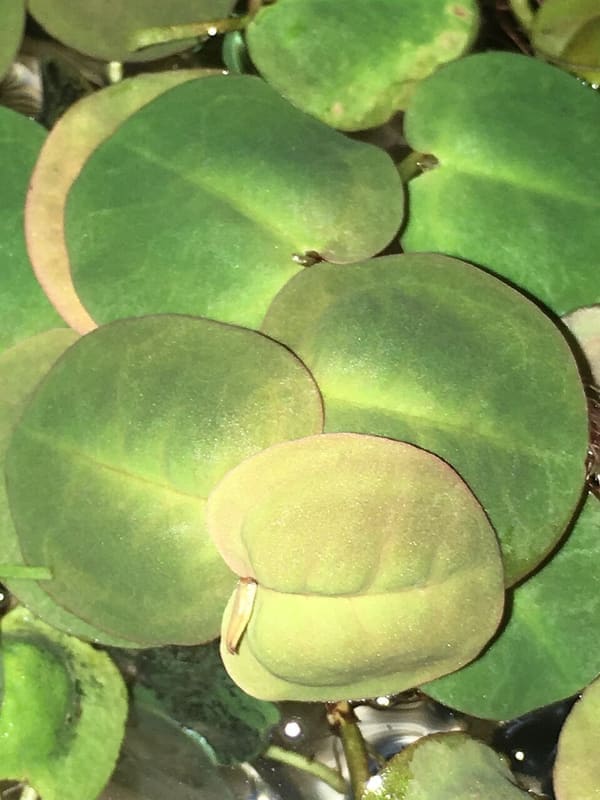 red root floaters, which shade the tank and mop up nutrients. Keep them off half the surface so light still reaches the bottom.
A dead-simple planting plan
Wood in the middle with java fern and anubias attached, a row of crypts either side, one fast stem plant in each back corner, and dwarf sag along the front. That layout works in anything from 10 to 40 gallons and needs almost nothing from you but water changes and trimming.
Plan the layout, pick the fish and see the checks as you go.
General hobby guidance, not veterinary or engineering advice. Sources disagree on specifics, so watch your own tank.
More guides
How to cycle a new aquarium
What the nitrogen cycle is, how to start one before you buy fish, and what your test kit should show each week.
6 min read
Will my fish eat my shrimp?
Which fish are safe with cherry shrimp, which will eat the babies, and how to keep a colony going in a community tank.
4 min read
How many fish fit in my tank?
Why the inch-per-gallon rule fails, what actually limits stocking, and sensible starting points for common tank sizes.
5 min read