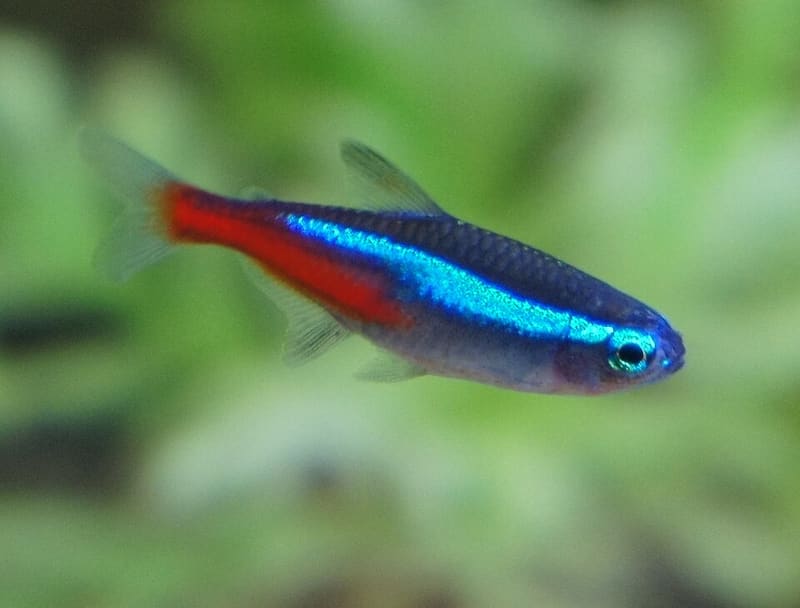
How to cycle a new aquarium
What the nitrogen cycle is, how to start one before you buy fish, and what your test kit should show each week.
A new tank can't process fish waste yet. Cycling means growing the bacteria that turn ammonia into nitrite and nitrite into nitrate, before anything lives in there. It usually takes three to six weeks, and skipping it is the most common reason a first tank ends badly.
What's actually happening
- Fish waste, uneaten food and dying plant leaves break down into ammonia, which burns gills at well under 1 ppm.
- One group of bacteria eats ammonia and makes nitrite, which is just as toxic.
- A second group eats nitrite and makes nitrate, which is mostly harmless at the levels a planted tank sees. Water changes and plants keep it down.
The fishless method, step by step
- Set the tank up completely: substrate, hardscape, plants, filter running, heater at 78–80 °F. Warmer water grows bacteria faster.
- Add ammonia to about 2 ppm. Bottled ammonia with no surfactants or perfume is easiest; a pinch of fish food works but is slower and messier.
- Test every two or three days and write it down. The Water tests tab in the builder charts it for you.
- Ammonia falls and nitrite appears, usually in the second week. Nitrite then spikes, often high enough to go off the chart.
- When nitrite falls to zero and nitrate is climbing, dose ammonia to 2 ppm again. If both read zero the next day, you're cycled.
- Do a big water change — 50% or more — to bring nitrate down, then add livestock a few at a time.
Things that speed it up
- Used filter media from an established tank is the single biggest shortcut. A friend's sponge, squeezed into your filter, can cut weeks off.
- Bottled bacteria helps sometimes. Buy a brand that needs refrigeration or has a date on it, and treat it as a head start rather than an instant cycle.
- Plants. Fast growers like
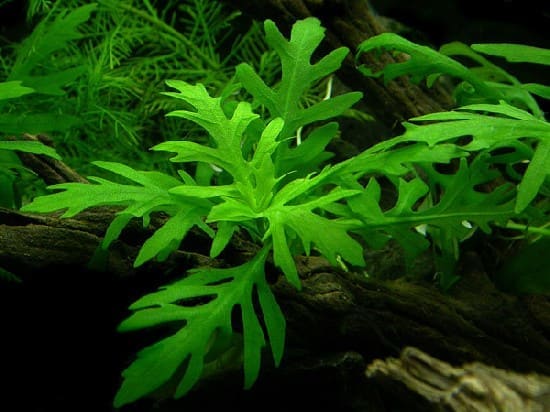 water wisteria,
 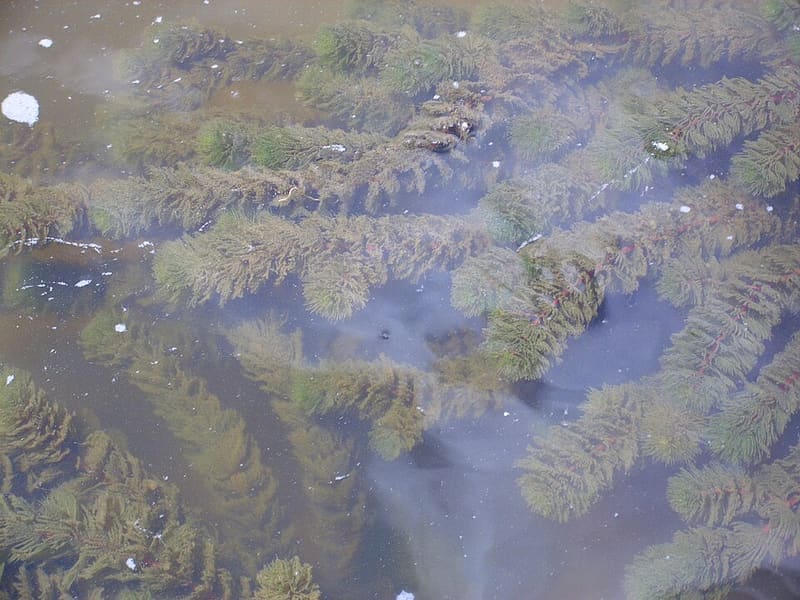 hornwort and
 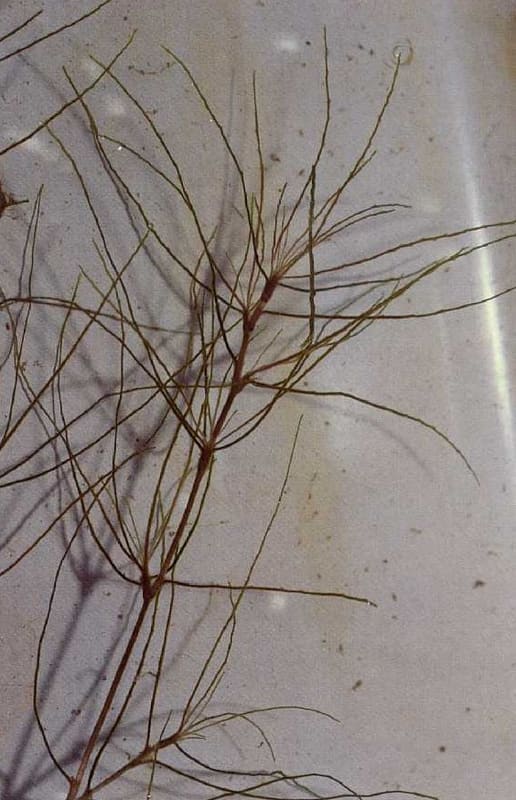 guppy grass use ammonia directly. A heavily planted tank often shows a much smaller nitrite spike.
 - Warmth and oxygen. Keep the heater at 78–80 °F and the surface moving.
Things that stall it
- Dechlorinating nothing: chlorine and chloramine from the tap kill the bacteria you're growing.
- Ammonia above about 5 ppm, which stalls the second group of bacteria.
- pH under about 6.5, where the bacteria slow right down. If your tap water is soft and acidic, expect a longer cycle.
- Cleaning the filter media in tap water. Rinse it in old tank water instead, and never replace all of it at once.
Reading your test kit
Liquid test kits are worth the extra money over strips; strips drift as they age. Test ammonia, nitrite and nitrate. A typical run looks like this:
- Week 1: ammonia high, nitrite 0, nitrate 0.
- Week 2–3: ammonia falling, nitrite climbing fast, nitrate appearing.
- Week 4–6: ammonia 0, nitrite falling to 0, nitrate 10–40 ppm.
After that, test weekly for a month, then whenever something looks off. A sudden ammonia reading in an established tank usually means a dead fish, an overfed tank or a filter that got cleaned too thoroughly.
What about fish-in cycling?
It's possible with very hardy fish and daily water changes, and it's stressful for the fish. If you've already got fish in an uncycled tank, test daily and change 50% of the water whenever ammonia or nitrite is above 0.25 ppm. A dechlorinator that binds ammonia helps you buy time between changes.
Plan the layout, pick the fish and see the checks as you go.
General hobby guidance, not veterinary or engineering advice. Sources disagree on specifics, so watch your own tank.
More guides
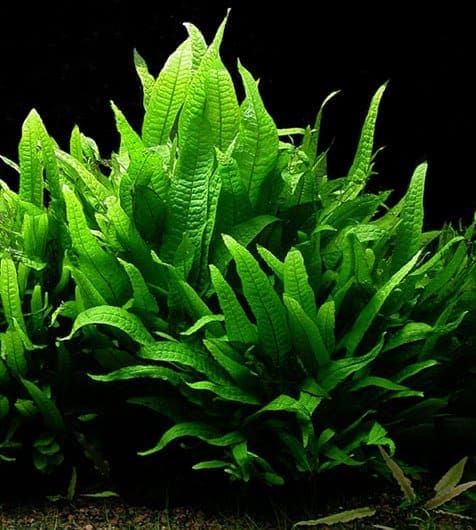
The best plants for a low-tech tank
Plants that grow in a plain tank with a basic light, no CO₂ and no fertiliser routine — and the ones that will only disappoint you.
5 min read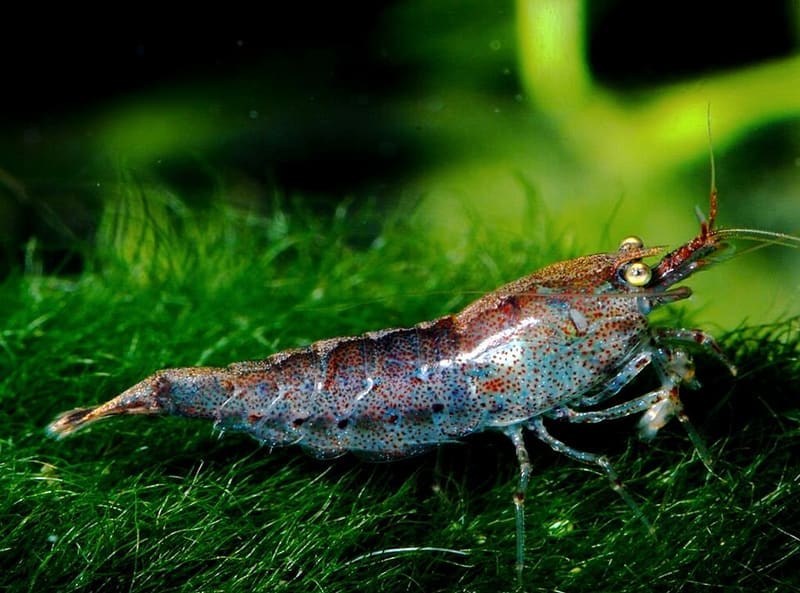
Will my fish eat my shrimp?
Which fish are safe with cherry shrimp, which will eat the babies, and how to keep a colony going in a community tank.
4 min read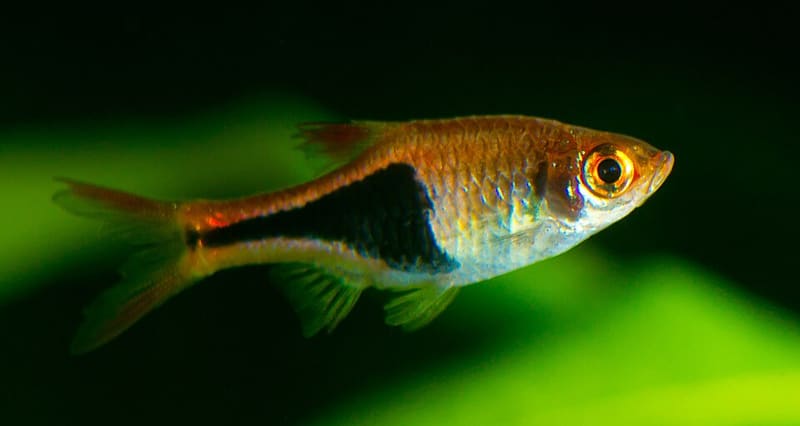
How many fish fit in my tank?
Why the inch-per-gallon rule fails, what actually limits stocking, and sensible starting points for common tank sizes.
5 min read