Algae: what causes it and how to fix it
Every tank grows some algae. Which kind you have tells you what is out of balance, and the fix is usually light, not chemicals.
Algae isn't a sign you've failed. It's a sign that light, nutrients and plant growth are out of step, and algae is using the difference. Fix the balance and it fades on its own; scrub it without fixing anything and it comes straight back.
Why it happens
- Too much light. The most common cause by far: long photoperiods, a bright light on a low-tech tank, or sunlight from a window.
- Plants that aren't growing. Healthy plants starve algae of nutrients. A new or sparsely planted tank has nothing to compete.
- Excess nutrients. Overfeeding, too many fish, or too few water changes.
- Unstable CO₂ in high-tech tanks, which some algae exploit when levels swing through the day.
Identify the type
Brown dusty film (diatoms)
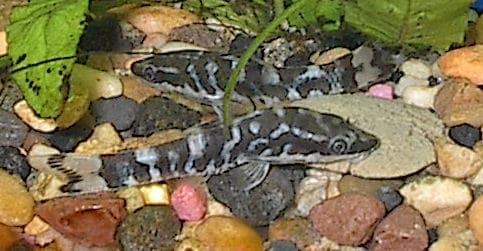
Almost every new tank gets it in the first month. It wipes off easily and usually vanishes as the tank matures. Otocinclus and 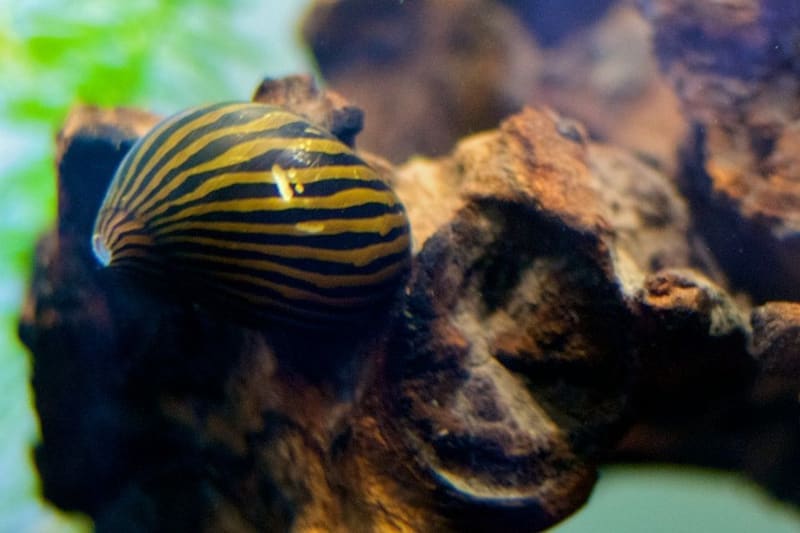 nerite snails eat it happily.
Green spots on glass and slow leaves
Hard green dots, often on 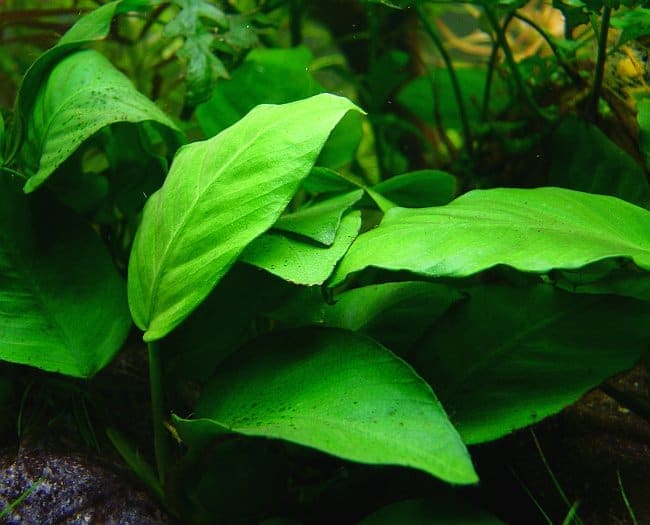 anubias. A sign of strong light, or low phosphate in heavily fertilised tanks. Scrape the glass; nerites clean the leaves.
Green water
Free-floating algae that turns the whole tank pea-green. Usually too much light plus an ammonia source. Water changes alone rarely win. A few days of total darkness (cover the tank completely) or a UV sterilizer clears it.
Hair and thread algae
Long green strands. Pull out what you can, reduce light, and add algae eaters: 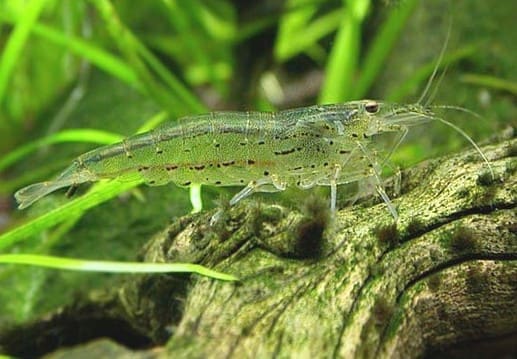 Amano shrimp are the best freshwater option.
Black beard algae
Dark, bristly tufts on wood and slow leaves, linked to unstable CO₂ and poor flow. Stabilise CO₂, improve flow, and trim affected leaves. 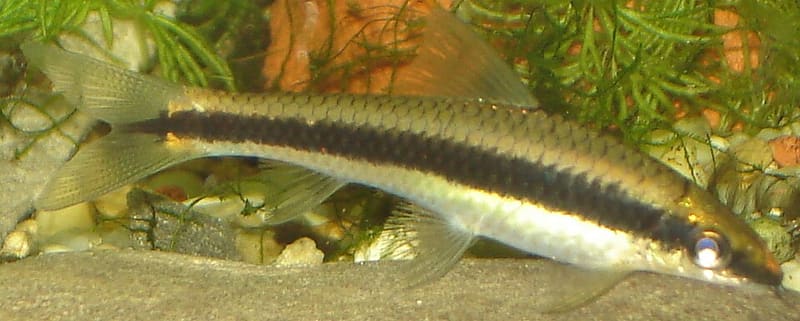 Siamese algae eaters eat it, but grow large.
Slimy blue-green mats (cyanobacteria)
Not true algae but a bacterium, with a distinctive swampy smell. Siphon it out, improve flow into dead spots, and check nitrate isn't running at zero.
A clean-up crew that actually helps
- Otocinclus for diatoms and soft film, in groups.
- Amano shrimp for hair algae and leftovers.
- Nerite snails for spot algae on glass, rock and leaves. They can't breed in fresh water.
- In saltwater:
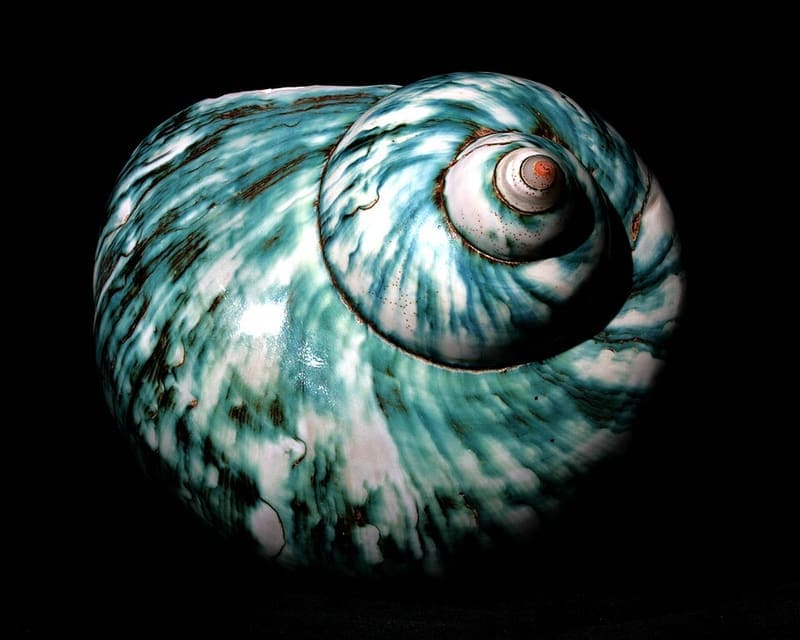 turbo snails,
 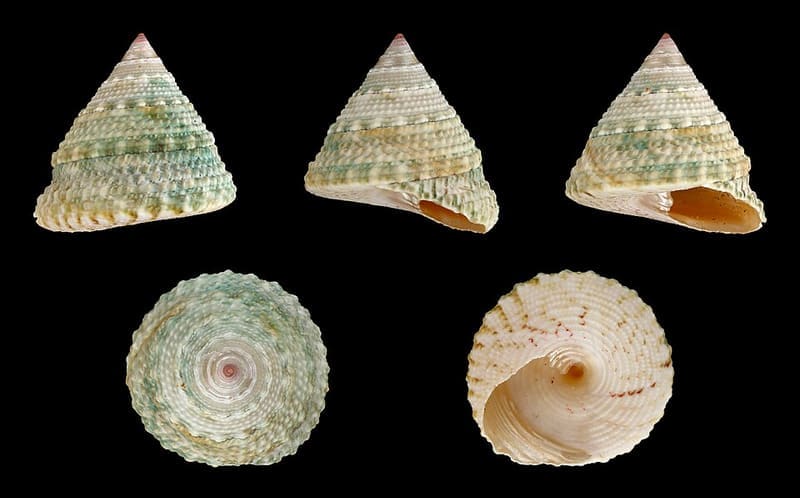 trochus and a
 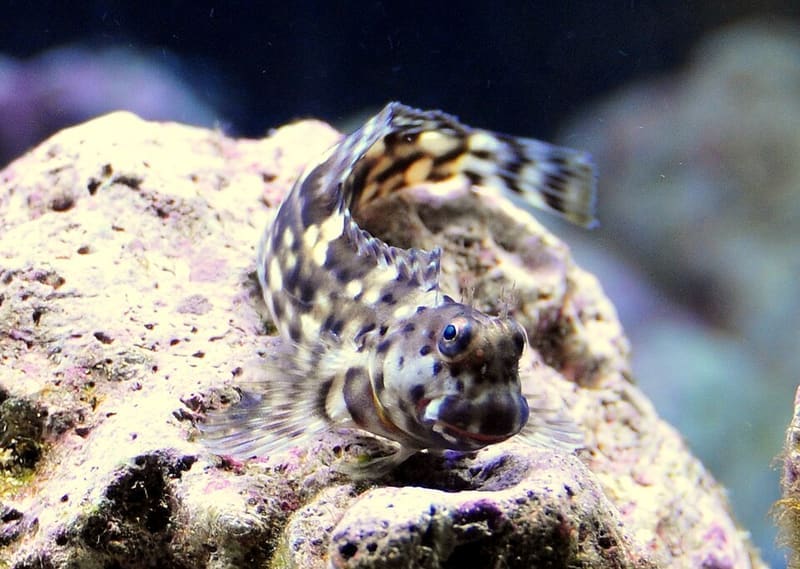 lawnmower blenny.
A crew keeps algae down; it can't out-eat a tank that's getting ten hours of light. Fix the cause first.
Plan the layout, pick the fish and see the checks as you go.
General hobby guidance, not veterinary or engineering advice. Sources disagree on specifics, so watch your own tank.
More guides
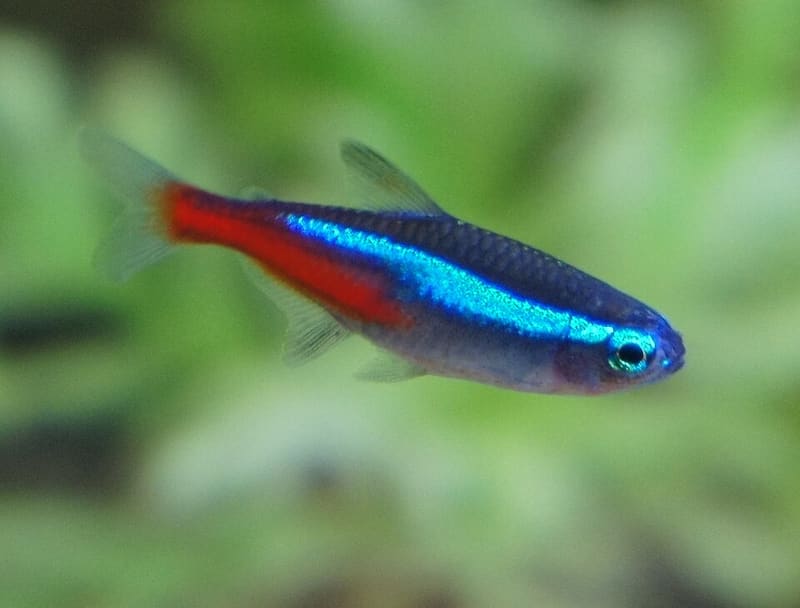
How to cycle a new aquarium
What the nitrogen cycle is, how to start one before you buy fish, and what your test kit should show each week.
6 min read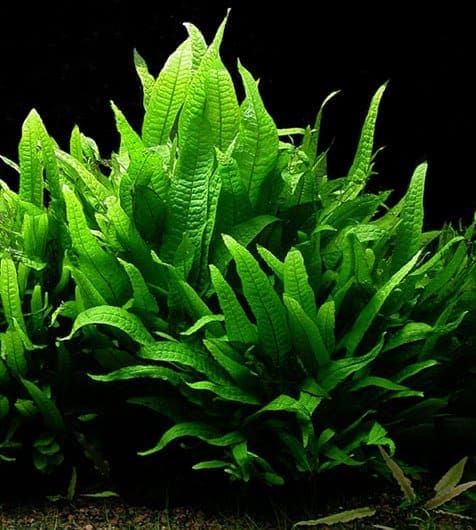
The best plants for a low-tech tank
Plants that grow in a plain tank with a basic light, no CO₂ and no fertiliser routine — and the ones that will only disappoint you.
5 min read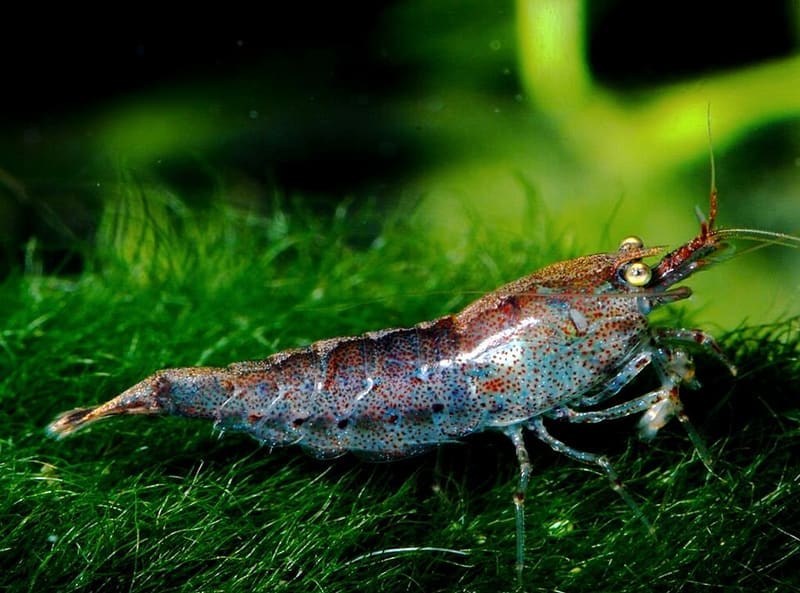
Will my fish eat my shrimp?
Which fish are safe with cherry shrimp, which will eat the babies, and how to keep a colony going in a community tank.
4 min read