Big tanks: weight, floors and where to put them
A 125 gallon tank weighs well over half a ton. What that means for your floor, your stand, moving it in, and the water it holds.
Water weighs about 8.3 pounds per gallon. Add glass, substrate, rock and the stand, and a filled tank comes to roughly 10 pounds per gallon, sometimes more. Under about 55 gallons that rarely matters. Past 100 gallons it's worth planning around, because all that weight sits on a small patch of floor.
How heavy, roughly
| Tank | Footprint | Filled weight | Per square foot |
|---|---|---|---|
| 55 gal | 48 × 13 in | ≈ 550 lb | ≈ 125 lb |
| 75 gal | 48 × 18 in | ≈ 750 lb | ≈ 125 lb |
| 125 gal | 72 × 18 in | ≈ 1,250 lb | ≈ 140 lb |
| 180 gal | 72 × 24 in | ≈ 1,800 lb | ≈ 150 lb |
For comparison, US building codes typically design the floors of living areas for about 40 pounds per square foot of "live load", spread across the room. A big tank concentrates several times that on its footprint. Floors cope because the joists spread the load, which is why placement matters so much.
Where to put it
- Across the joists, not along them. A stand that crosses several joists shares the weight between them. One running along a single joist loads it alone.
- Near a load-bearing wall. Joists are stiffest close to where they're supported and bend most in the middle of the span.
- A ground-floor concrete slab is easiest. Basements and slab-on-grade floors take almost anything.
- Not on a balcony, a raised deck or a floor that already sags or bounces.
- Away from windows and heating vents. Sunlight feeds algae and swings temperature; vents dry the room and heat one end of the tank.
When to ask a professional
This guide can't see your floor. Talk to a structural engineer or an experienced contractor before filling a tank over about 100 gallons if it's going on an upper floor, in an older house, on a floor with any sag or bounce, or anywhere you're unsure what's underneath. For a tank this size the fee is small next to the cost of getting it wrong.
The stand
- Use a stand rated for the tank's filled weight, and build to the manufacturer's plans if you make your own.
- Level it before the tank goes on, with shims under the stand, never under the tank. A glass tank that isn't flat and level can crack.
- Carpet compresses unevenly over time. A board under the stand spreads the load and keeps it level.
Getting it in the room
- An empty 125 gallon glass tank weighs roughly 200 pounds and is six feet long. Measure doorways, corners and stairs first.
- Plan for four people to carry it, and never move a tank with water or substrate in it.
- Set it up where it will live. Once it's full, it stays.
Water, power and access
- Leaks. A big tank holds more water than your water heater. Check your home or renter's insurance, and consider a cheap leak alarm under the stand.
- Electrics. Plug everything into a GFCI outlet, and loop every cord below the socket so drips can't run into it.
- Room to work. Leave space behind for plumbing and above for your arms and lights. Big tanks need a lot of maintenance reach.
- Water changes. A 25% change on a 150 gallon tank is nearly 40 gallons. A hose and a pump beat buckets.
- Humidity. Open tops evaporate gallons a week; keep the room ventilated to protect walls and furniture.
Renting?
Many leases limit aquarium size or require permission, and landlords worry about exactly the floor and water issues above. Check before you buy the tank, not after.
Plan the layout, pick the fish and see the checks as you go.
General hobby guidance, not veterinary or engineering advice. Sources disagree on specifics, so watch your own tank.
More guides
How to cycle a new aquarium
What the nitrogen cycle is, how to start one before you buy fish, and what your test kit should show each week.
6 min read
The best plants for a low-tech tank
Plants that grow in a plain tank with a basic light, no CO₂ and no fertiliser routine — and the ones that will only disappoint you.
5 min read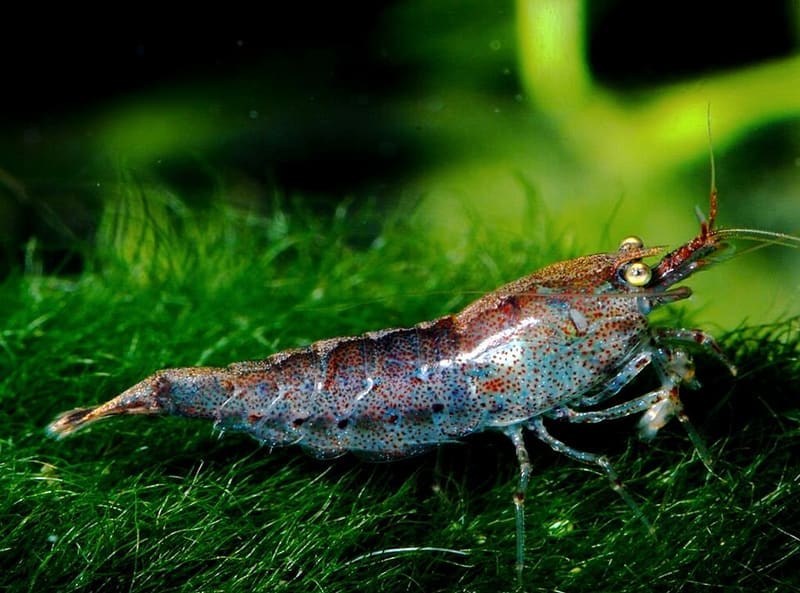
Will my fish eat my shrimp?
Which fish are safe with cherry shrimp, which will eat the babies, and how to keep a colony going in a community tank.
4 min read