Your first reef corals
Which corals forgive beginner mistakes, where to put them, and how to add them without losing them in the first week.
Your first corals should be ones that survive mistakes: a salinity swing, a light that's too strong, a missed water change. Plenty of beautiful corals do. The expensive, demanding ones can wait until the tank has proved itself.
The forgiving ones
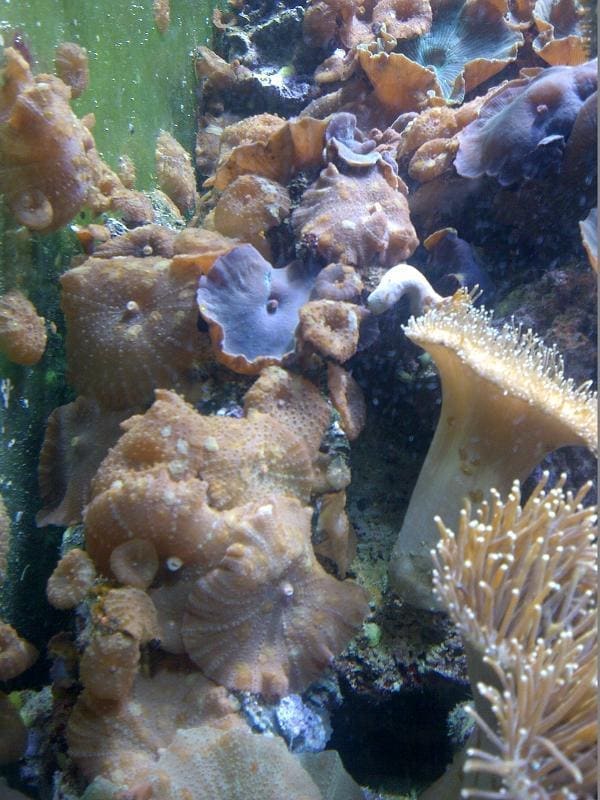 Mushrooms and
 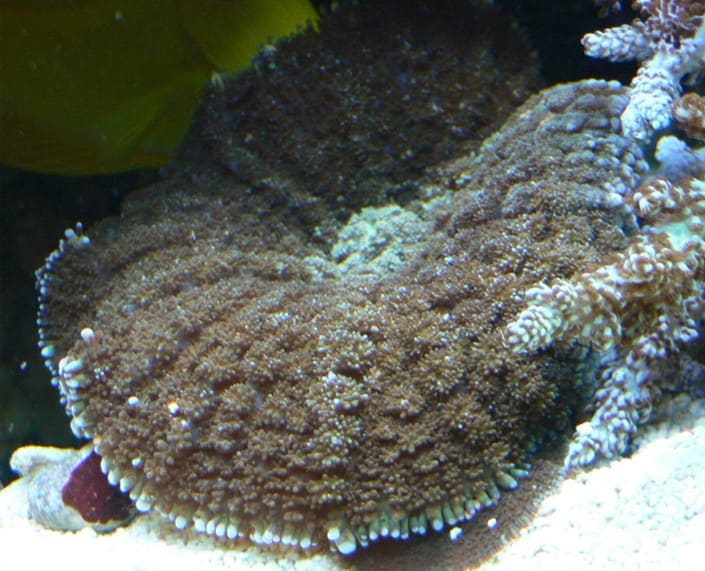 Rhodactis: low light, low flow, almost unkillable.
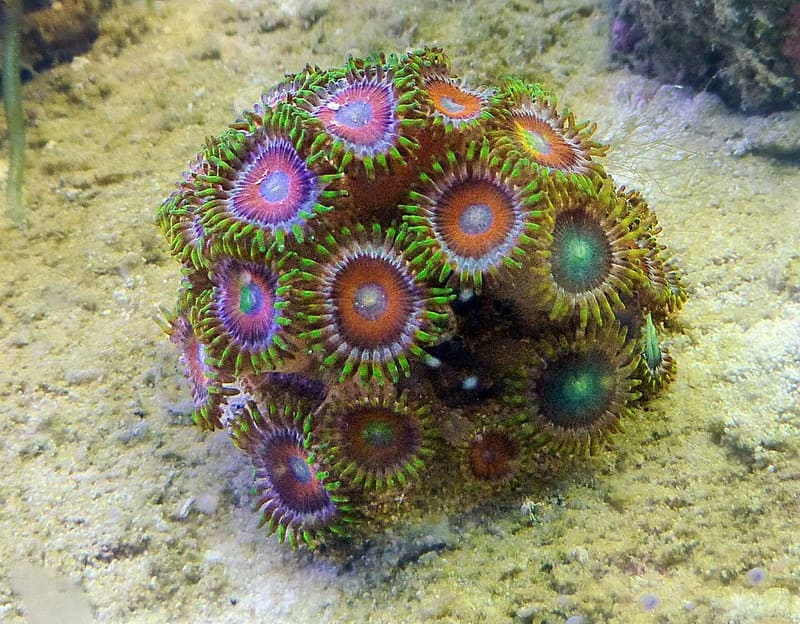
- Zoanthids: colourful, spread steadily, and tolerate a wide range of light.
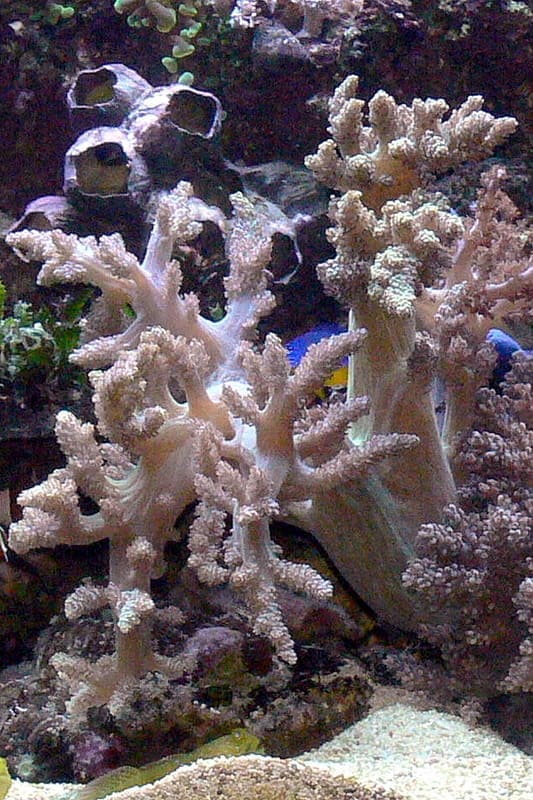 Kenya tree and
 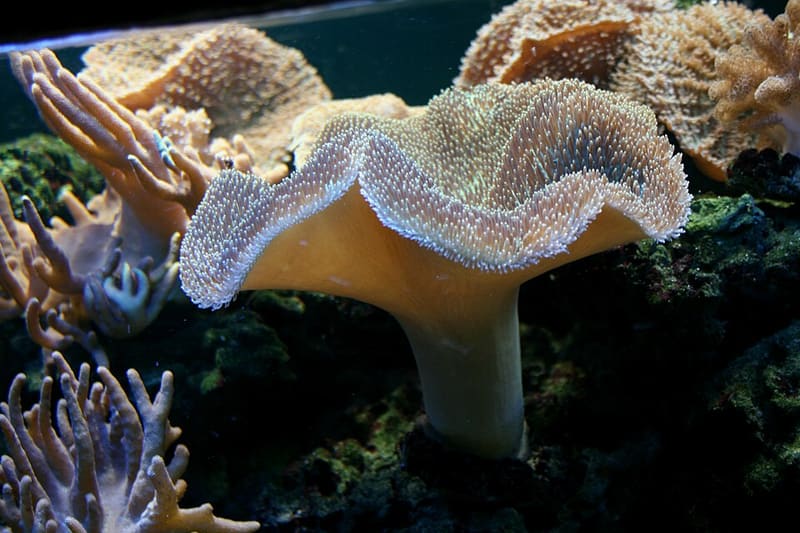 leather corals: tough soft corals that grow quickly.
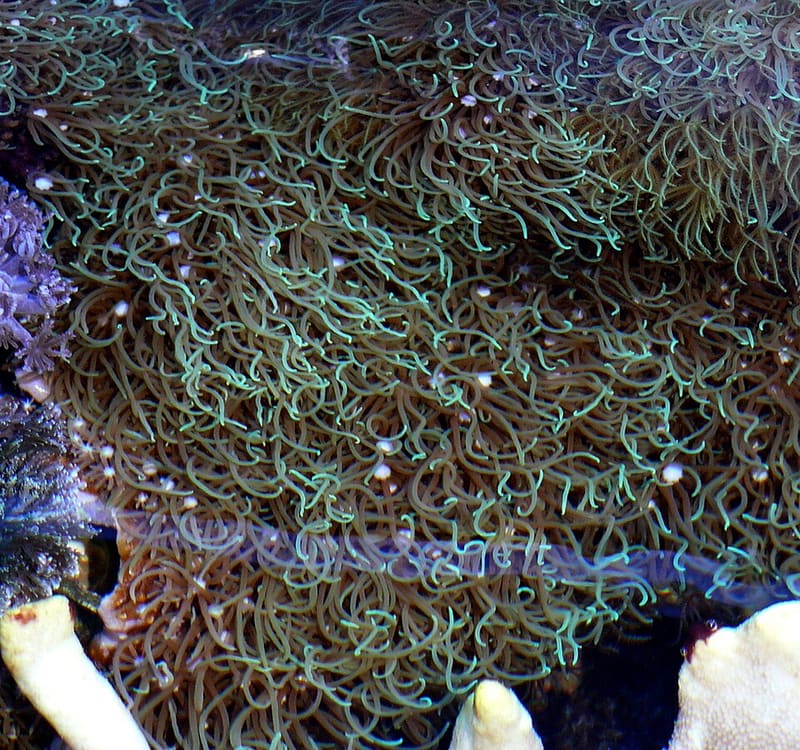 Green star polyps: nearly impossible to kill, which is exactly why you keep them on their own rock.
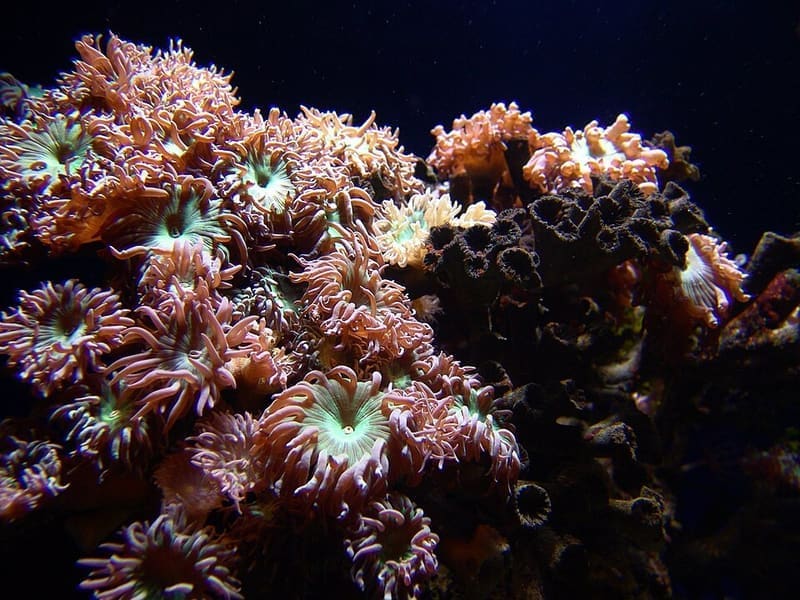 Duncan and
 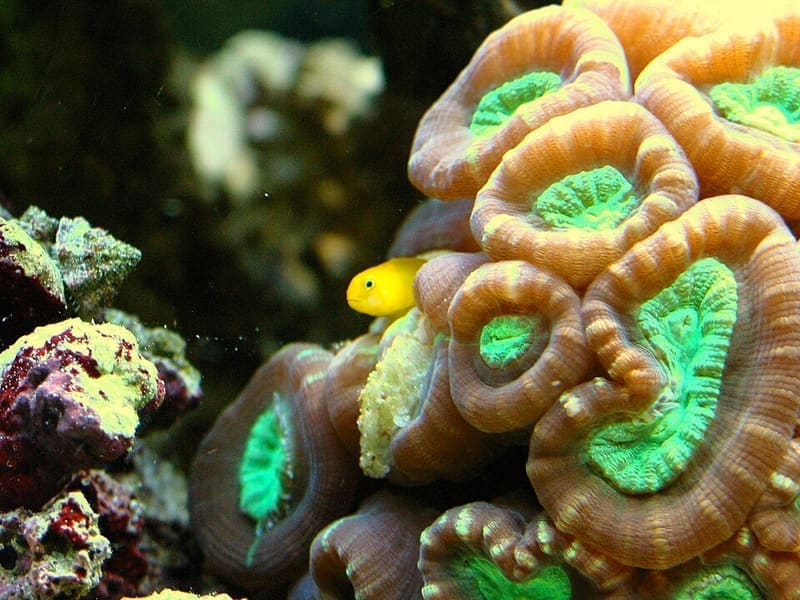 candy cane corals: the easiest large-polyp stony corals.
When to add them
Wait until the tank is two to three months old, the diatom bloom has passed, and your salinity and temperature have been steady for a few weeks. Corals are more sensitive to swings than fish.
Adding a coral step by step
- Float the bag to match temperature, about 15 minutes.
- Dip it in a coral dip in a separate container, following the dip's directions, to knock off pests.
- Place it low in the tank at first, even if it will eventually live higher up.
- Move it up the rockwork over a week or two as it opens well. Sudden bright light bleaches corals.
- Glue or wedge it in place so snails and fish can't knock it over.
Placement and space
- Low light, low flow corals go on the sand or low rock; stony corals go higher, nearer the light.
- Leave space between colonies. Many corals sting their neighbours, and the builder warns you when a stinger is in the tank.
- Keep fast spreaders on isolated rock so they can't smother slower corals.
When to move up
Once soft corals have grown for a few months and your alkalinity stays steady week to week, you're ready for more LPS corals. Leave SPS like 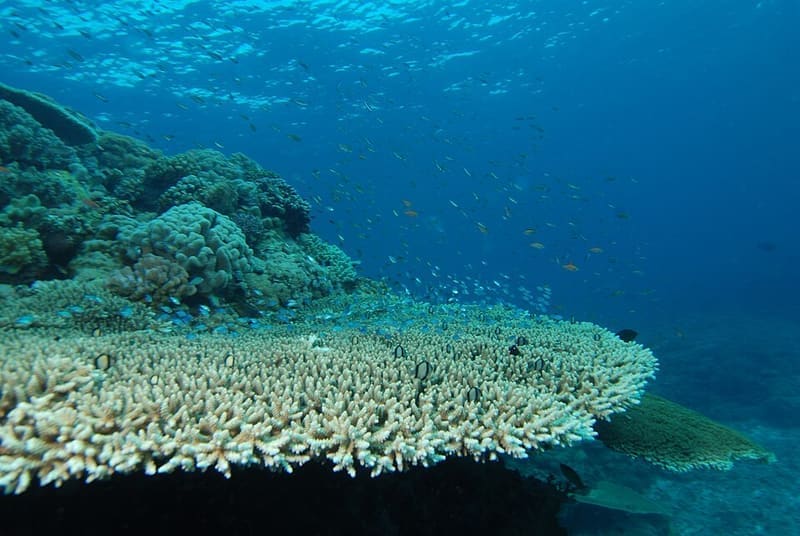 Acropora until the tank is at least six months old and your testing routine is second nature.
Plan the layout, pick the fish and see the checks as you go.
General hobby guidance, not veterinary or engineering advice. Sources disagree on specifics, so watch your own tank.
More guides
How to cycle a new aquarium
What the nitrogen cycle is, how to start one before you buy fish, and what your test kit should show each week.
6 min read
The best plants for a low-tech tank
Plants that grow in a plain tank with a basic light, no CO₂ and no fertiliser routine — and the ones that will only disappoint you.
5 min read
Will my fish eat my shrimp?
Which fish are safe with cherry shrimp, which will eat the babies, and how to keep a colony going in a community tank.
4 min read