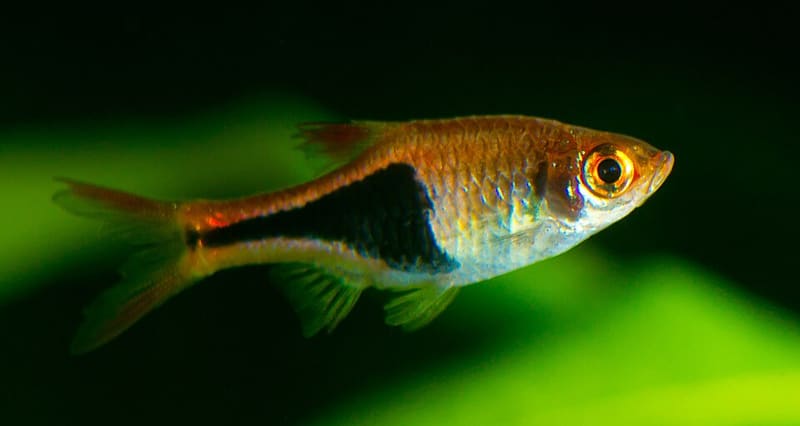
How many fish fit in my tank?
Why the inch-per-gallon rule fails, what actually limits stocking, and sensible starting points for common tank sizes.
The old "one inch of fish per gallon" rule treats a 10-inch fish like ten 1-inch fish. It isn't close. What actually limits stocking is waste output, swimming room, territory and how much water you're willing to change every week.
The four real limits
- Waste. A fish's waste rises faster than its length. One 6-inch goldfish produces far more than six 1-inch rasboras. Messy eaters like plecos and goldfish are in their own category.
- Footprint. Surface area matters more than volume for oxygen, and floor space matters more than height for bottom dwellers. A 20 long beats a 20 high for almost everything.
- Social needs. Schooling fish need six or more of their own kind, so "one of each" is both worse for the fish and not actually lighter on the tank.
- Territory. Two male gouramis in a 20 gallon is a fight, not a stocking level.
Sensible starting points
- 5 gallons: one betta, or a shrimp colony, or a group of 8–10
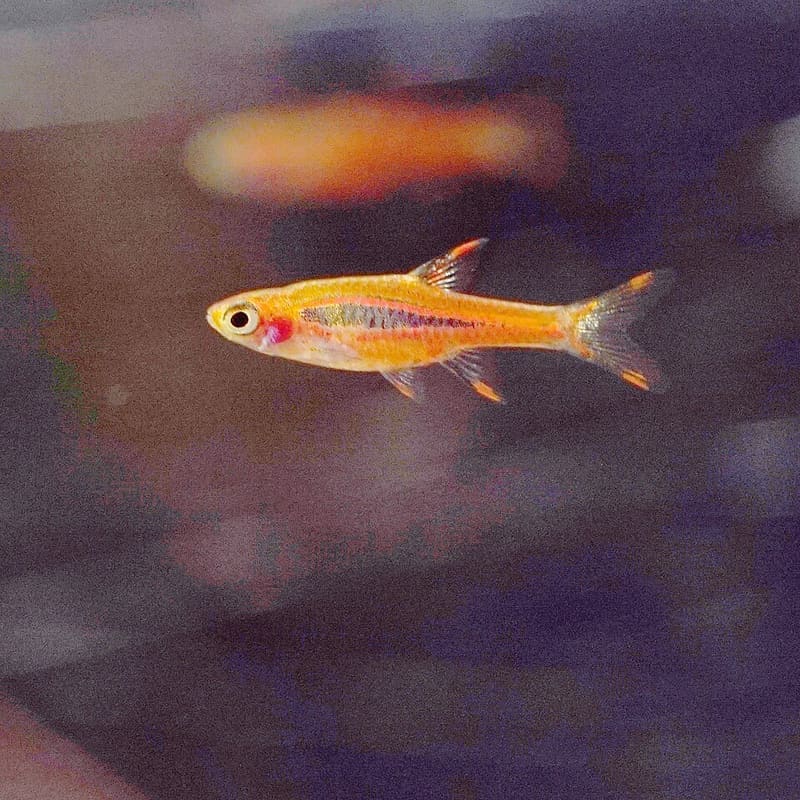 chili rasbora. Not all three.
 - 10 gallons: one small school of nano fish (10–12), plus shrimp or a couple of snails.
- 20 long: two small schools, or one school plus a centrepiece fish like a
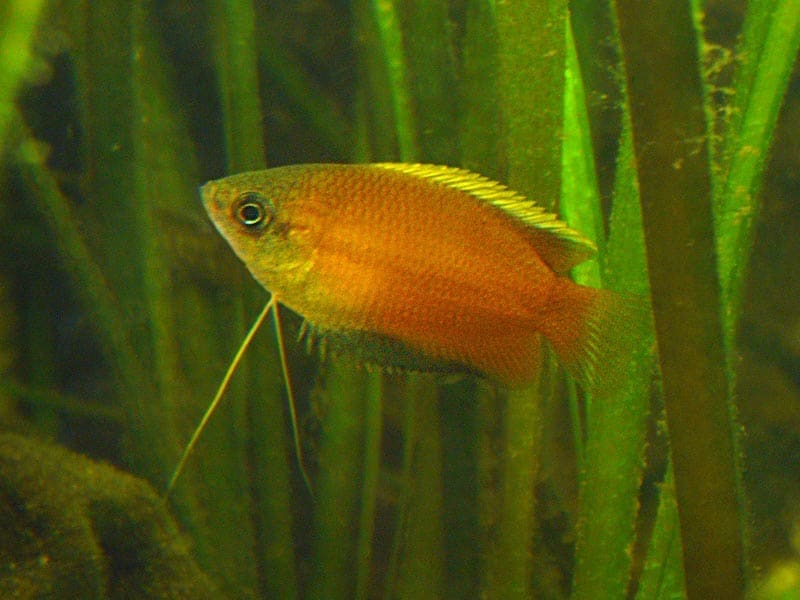 honey gourami, plus a bottom group such as
 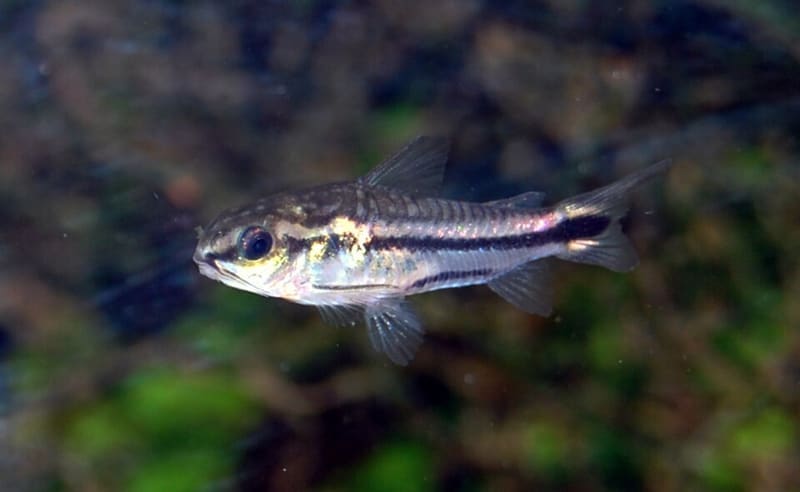 pygmy cories.
 - 29–40 gallons: three groups, a centrepiece pair, and a clean-up crew. This is where a planted community really works.
- 55 gallons and up: larger schools of 15+, which look far better than several small groups.
Planted tanks hold a little more
Plants use ammonia and nitrate directly, and a well-planted tank is more forgiving than a bare one. It is not a licence to double the fish: plants don't help at night, and they don't add swimming room.
Signs you're overstocked
- Nitrate above 40 ppm before your weekly water change.
- Fish hanging at the surface in the morning, gasping.
- Algae you can't beat no matter what you dose.
- Constant nipping or chasing.
The builder scores stocking from adult size, count and how messy each species is, and warns you past 100%. Treat it as a rough guide, not a promise: filtration, plant mass and your water-change habits move the real number.
Plan the layout, pick the fish and see the checks as you go.
General hobby guidance, not veterinary or engineering advice. Sources disagree on specifics, so watch your own tank.
More guides
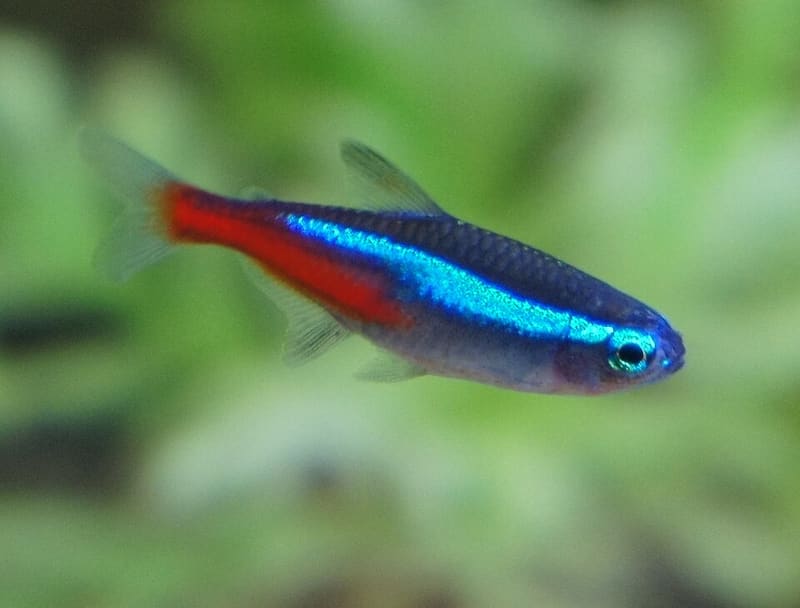
How to cycle a new aquarium
What the nitrogen cycle is, how to start one before you buy fish, and what your test kit should show each week.
6 min read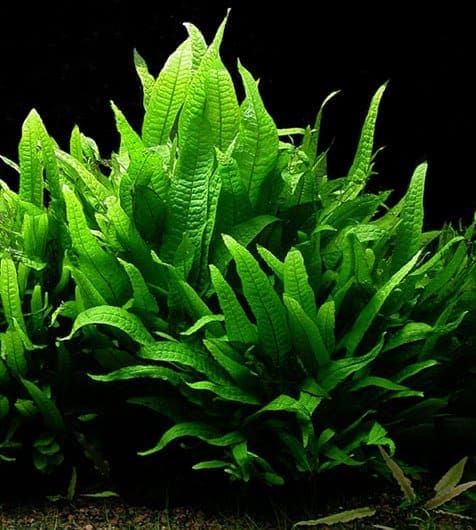
The best plants for a low-tech tank
Plants that grow in a plain tank with a basic light, no CO₂ and no fertiliser routine — and the ones that will only disappoint you.
5 min read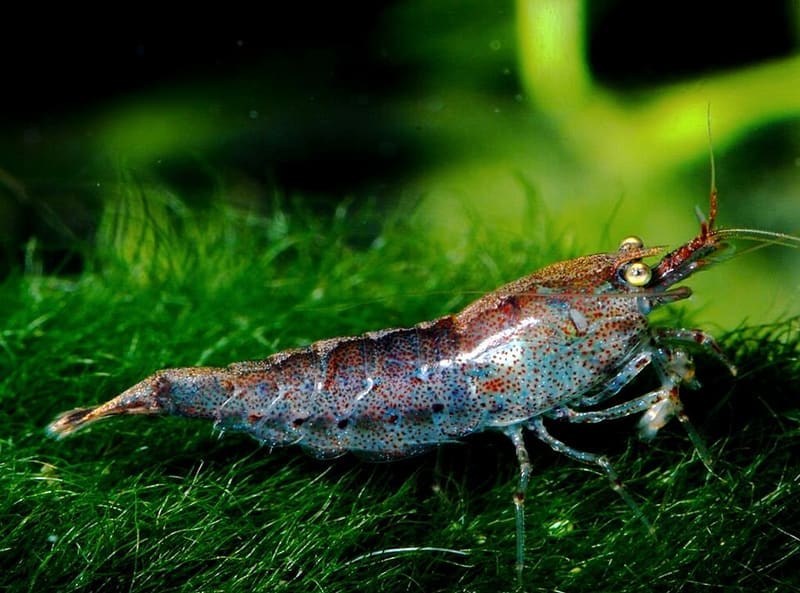
Will my fish eat my shrimp?
Which fish are safe with cherry shrimp, which will eat the babies, and how to keep a colony going in a community tank.
4 min read