Your first saltwater tank
What a reef tank really involves, how it differs from freshwater, and a setup order that avoids the classic beginner crashes.
Saltwater is not much harder than freshwater, but it is less forgiving of shortcuts. The difference is mostly water: you make it yourself, and corals notice small swings that a tetra would never feel. Get the water routine right and the rest follows.
Fish only, or a reef?
- Fish only with live rock is the cheapest and simplest. No reef lighting, no dosing, and you can keep fish that would eat a reef, like a
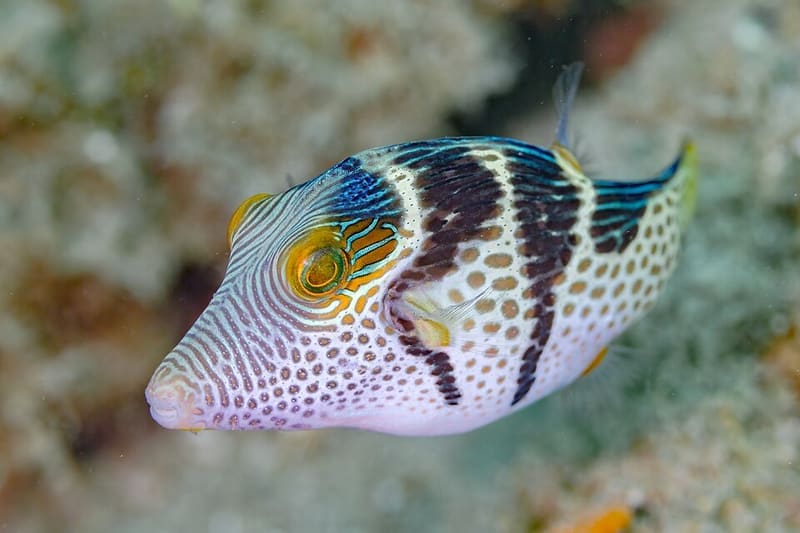 valentini puffer.
 - A soft coral reef adds a reef light and more flow.
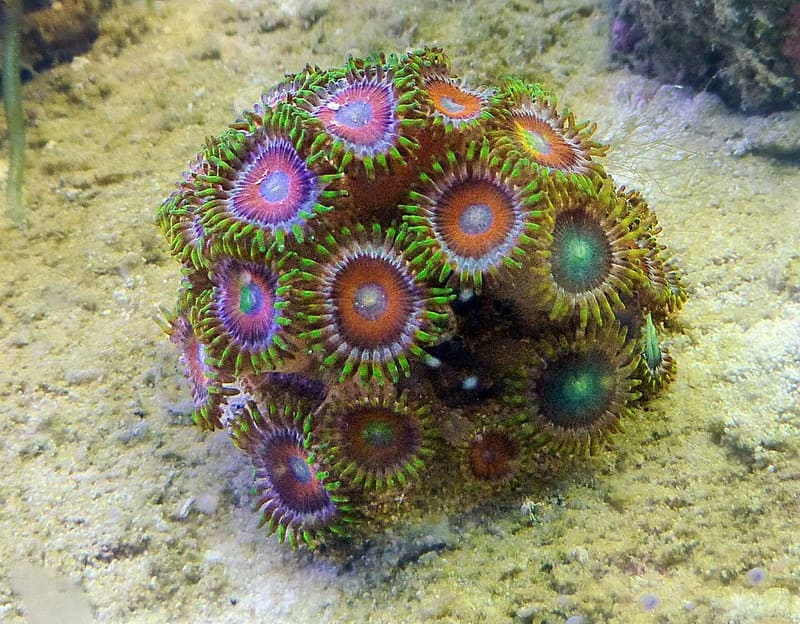 Zoanthids,
 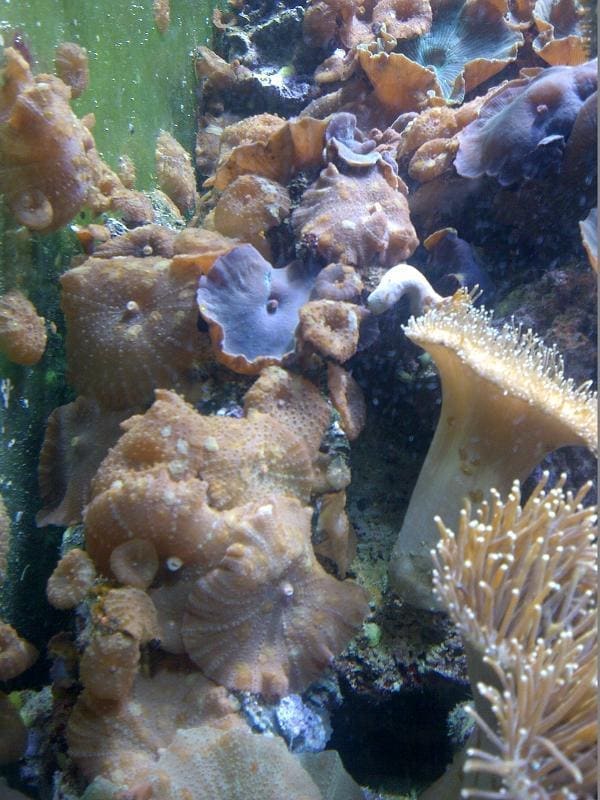 mushrooms,
 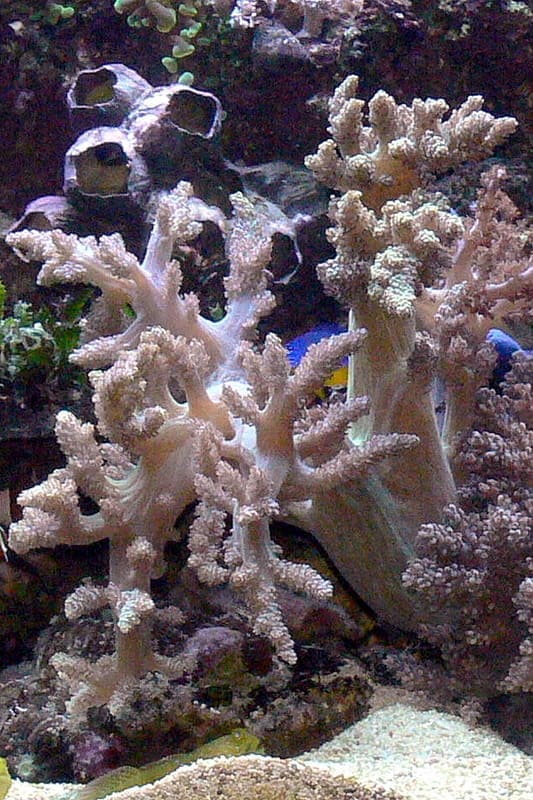 Kenya tree and
 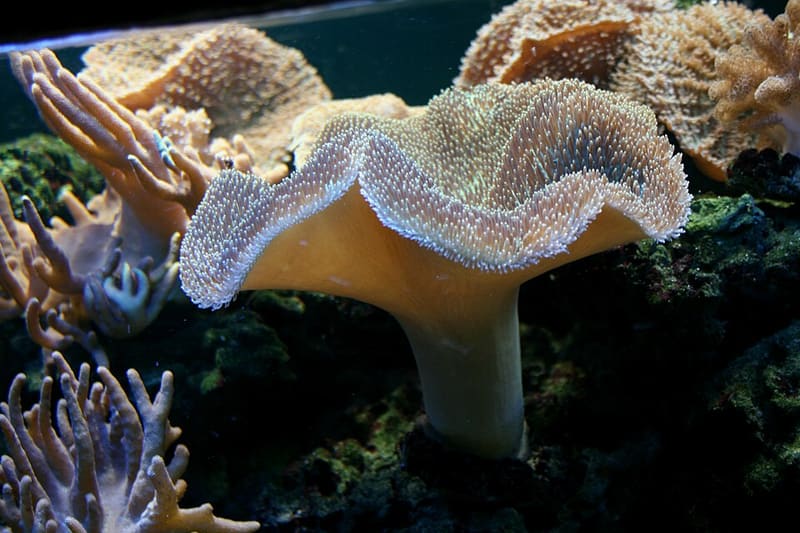 leathers forgive a lot, and most beginners start here.
 - A mixed reef with
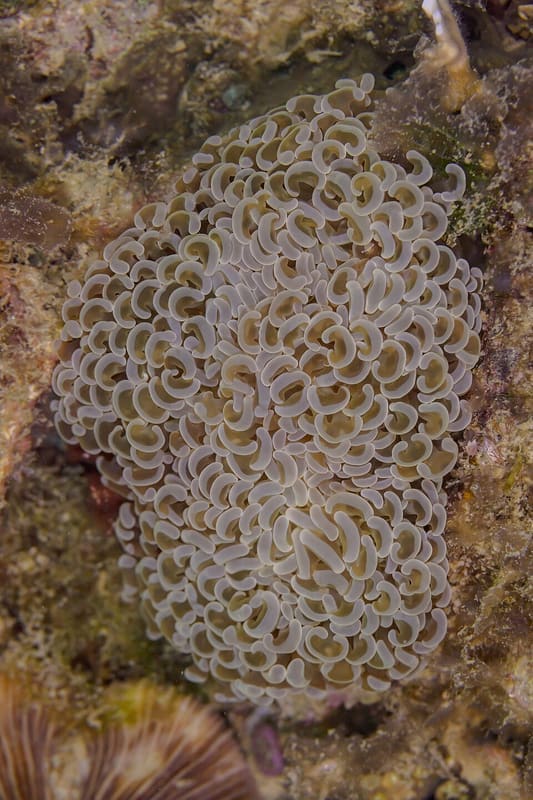 LPS and
 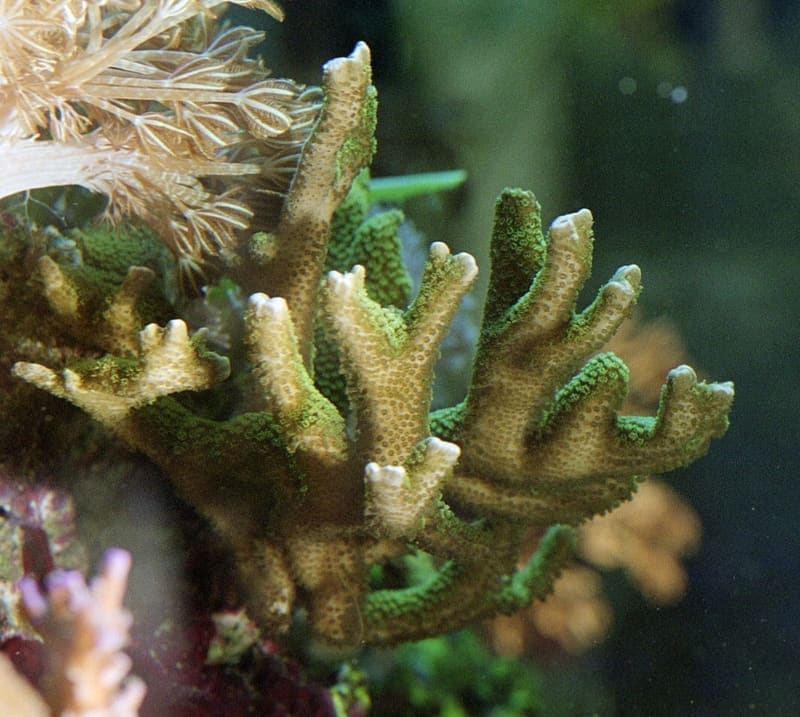 SPS corals needs stable alkalinity and calcium, which usually means testing weekly and dosing.
Bigger is easier
Small tanks swing faster: a failed heater or a missed top-off changes 10 gallons far more than 40. A 20 gallon is a fine first reef if you're diligent; 30–40 gallons gives you more room for error and more choice of fish. Many popular fish, tangs especially, need much more than that, whatever the shop says.
The gear that matters most
- RO/DI water. Tap water carries phosphate and silicate that feed algae. Buy it by the gallon to start, or get a unit.
- A refractometer, calibrated with 35 ppt fluid. Swing-arm hydrometers drift and cause most salinity mistakes.
- An auto top-off. Evaporation takes only fresh water, so salinity creeps up every day. Top off with RO/DI, never salt water.
- Flow. Reefs want far more water movement than freshwater tanks: 20–50 times the volume per hour, from more than one direction.
- A heater with a controller, so a stuck heater can't cook the tank.
A setup order that works
- Mix salt water to 1.025 in a bucket, a day ahead, with a heater and a powerhead.
- Build the rock with gaps for flow. Dry rock avoids hitchhiking pests; it just takes longer to cycle.
- Cycle with bottled ammonia and bacteria, exactly like a freshwater cycle. Expect four to six weeks.
- Ride out the ugly stage. A brown diatom bloom in the first month is normal and passes on its own.
- Add a small clean-up crew: a few
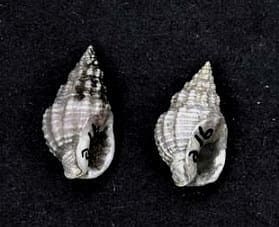 nassarius and
 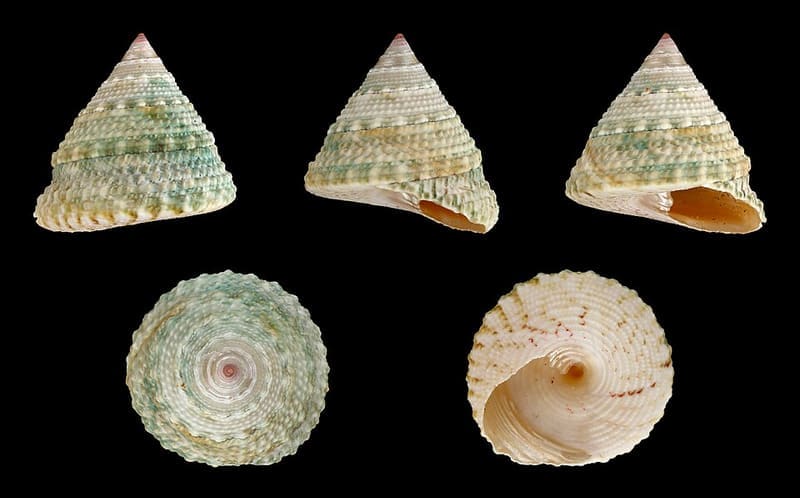 trochus snails.
 - Add fish one or two at a time, a few weeks apart, starting with the most peaceful. Quarantine each one first if you can.
- Add hardy corals after two or three months. Leave anemones, SPS and fussy fish like the
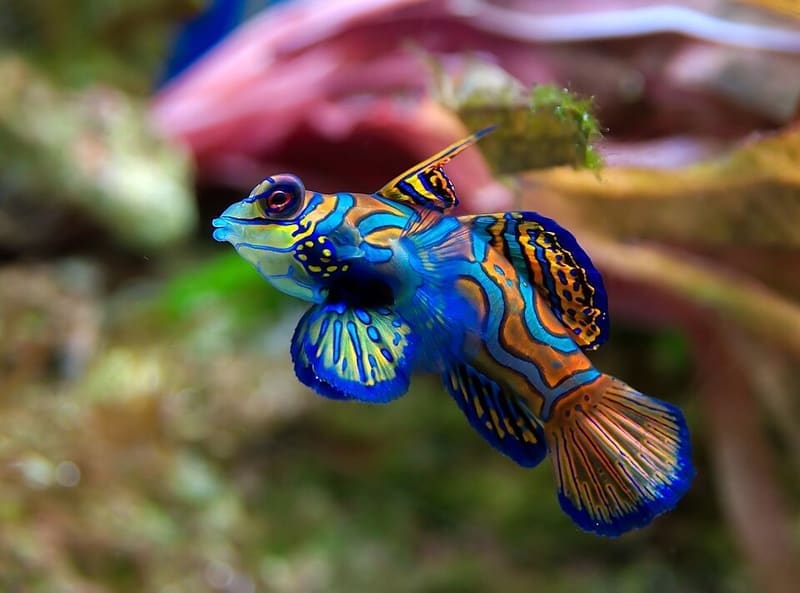 mandarin for six months or more.
Easy first fish
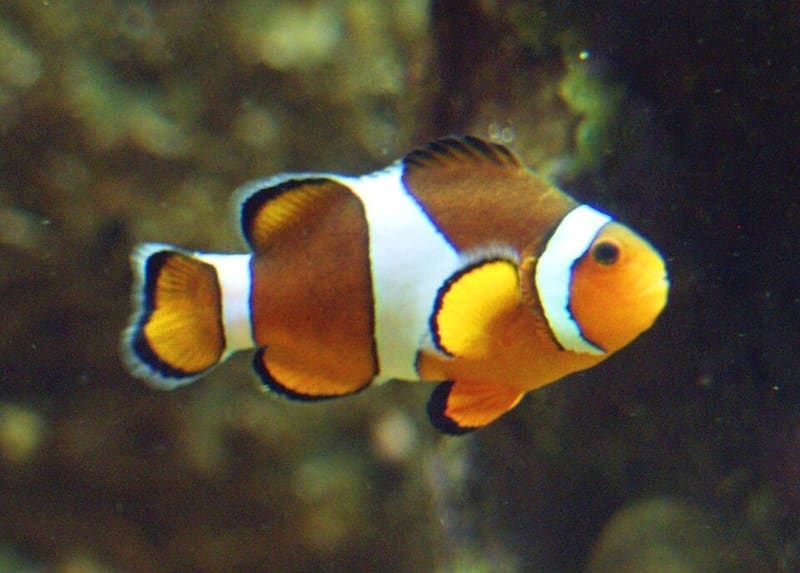
Captive-bred ocellaris clownfish, a 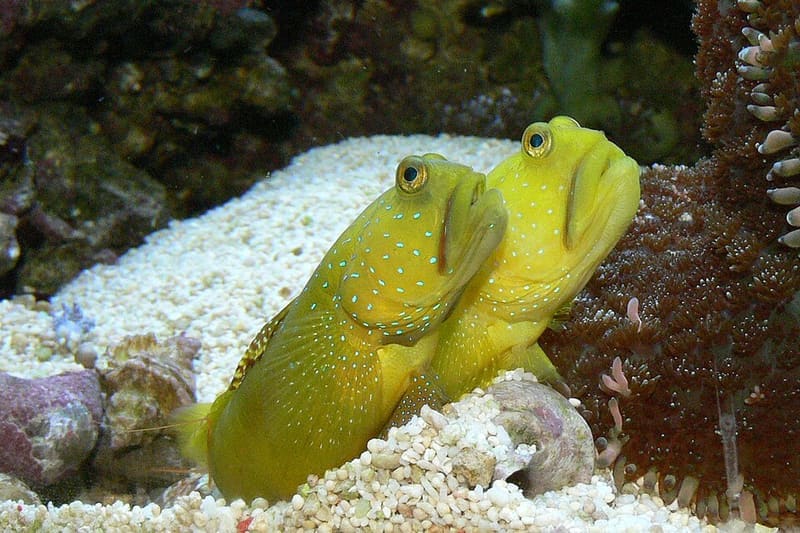 yellow watchman goby, a
 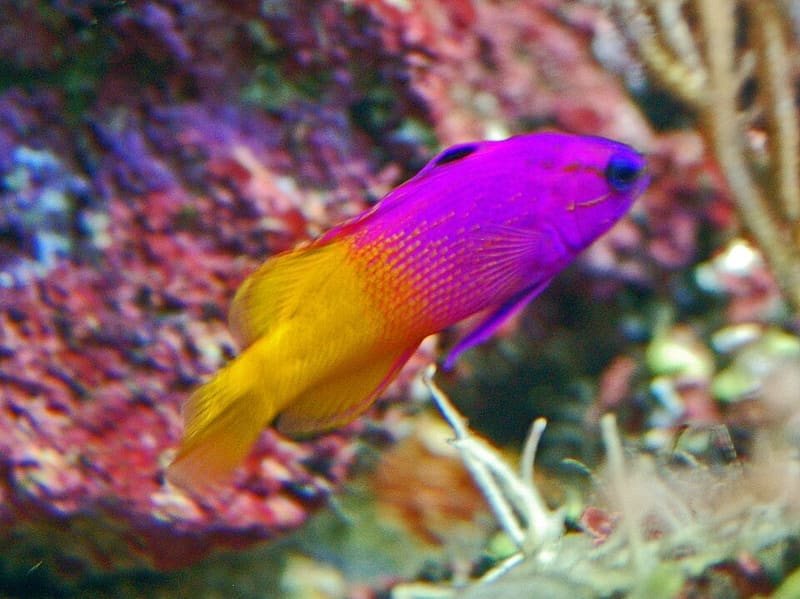 royal gramma, a
 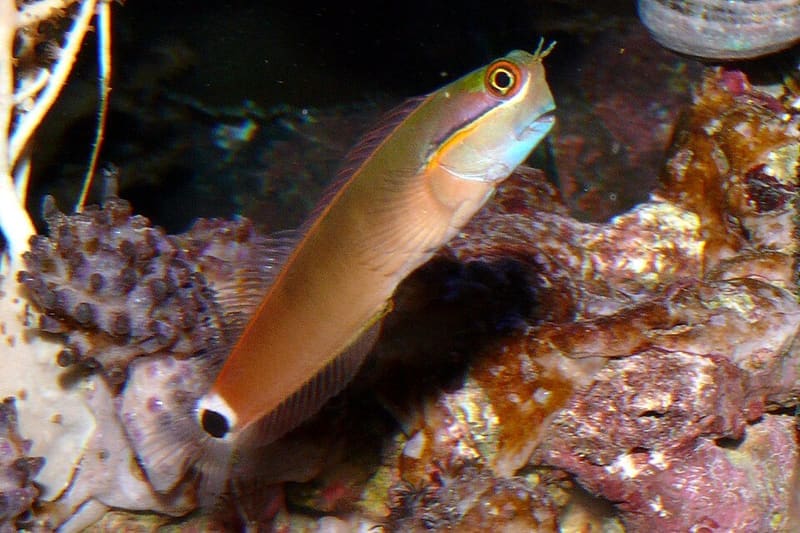 tailspot blenny and a
 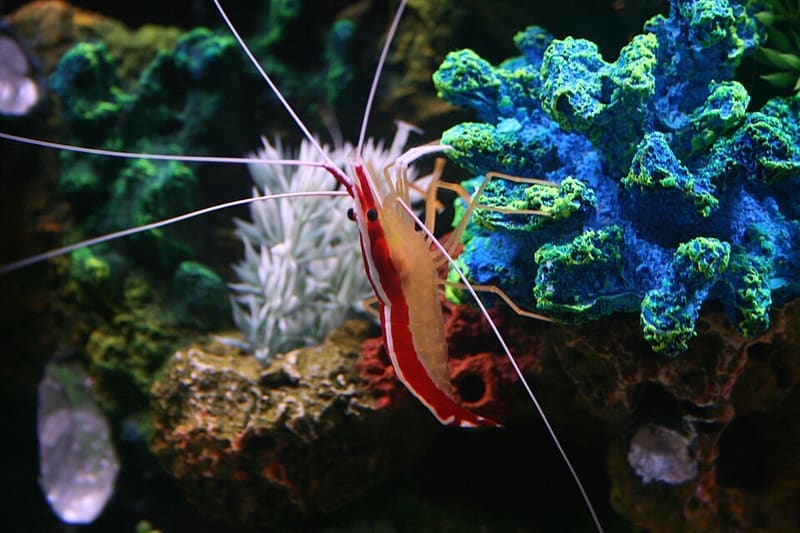 cleaner shrimp make a peaceful, hardy start for a 20–40 gallon reef. Skip damselfish unless you want them forever: they're cheap because they're tough, and they bully everything added after them.
The weekly routine
- Change about 10% of the water with fresh salt mix.
- Test salinity, nitrate and phosphate; in a reef with stony corals, alkalinity too.
- Empty the skimmer cup and clean the glass.
- Look at every fish at feeding time. Catching a problem early is most of the job.
Stability beats perfect numbers. A tank that sits at alkalinity 7.5 every week does better than one bouncing between 8 and 10.
Plan the layout, pick the fish and see the checks as you go.
General hobby guidance, not veterinary or engineering advice. Sources disagree on specifics, so watch your own tank.
More guides
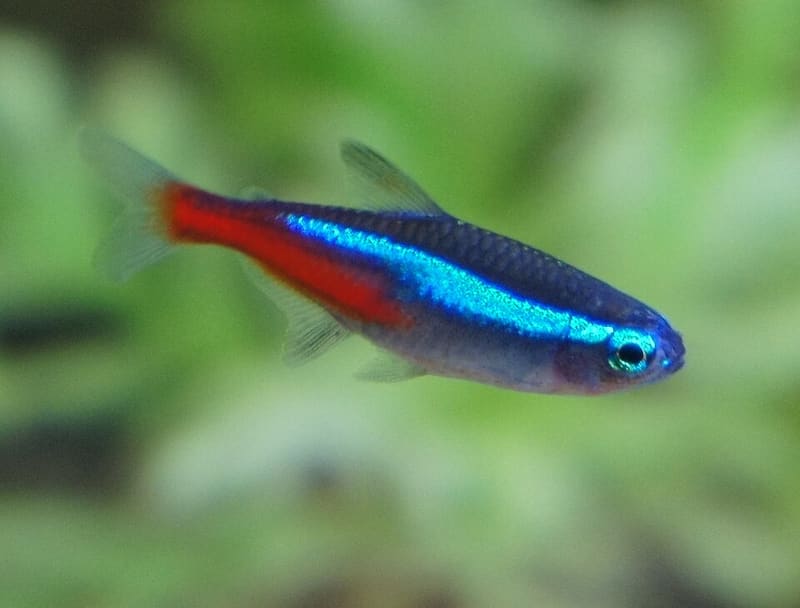
How to cycle a new aquarium
What the nitrogen cycle is, how to start one before you buy fish, and what your test kit should show each week.
6 min read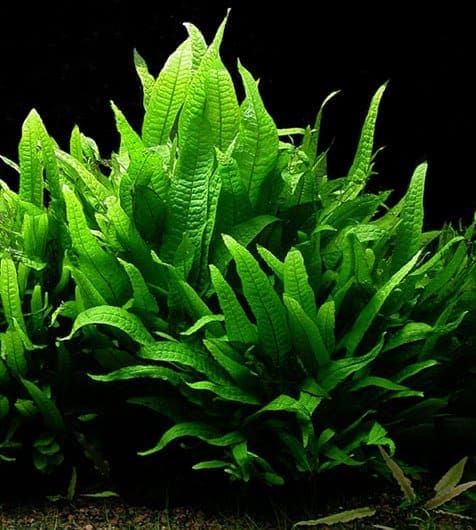
The best plants for a low-tech tank
Plants that grow in a plain tank with a basic light, no CO₂ and no fertiliser routine — and the ones that will only disappoint you.
5 min read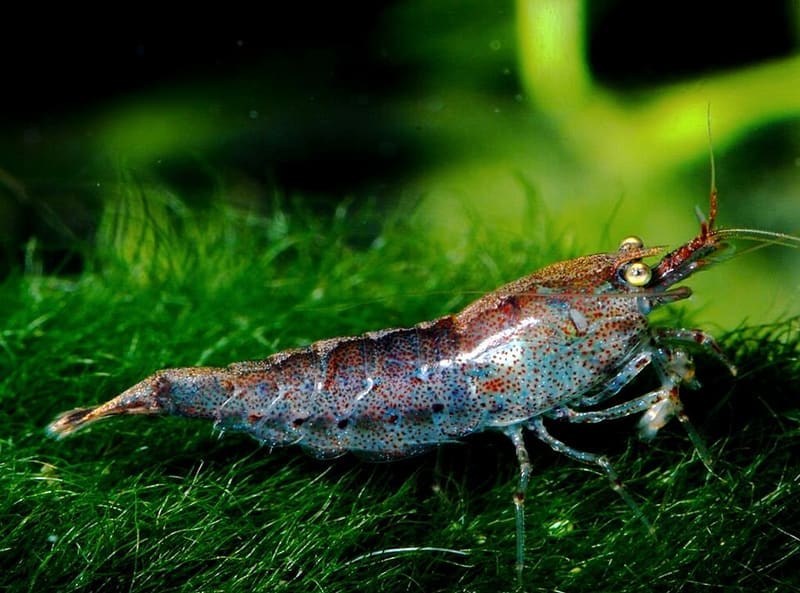
Will my fish eat my shrimp?
Which fish are safe with cherry shrimp, which will eat the babies, and how to keep a colony going in a community tank.
4 min read